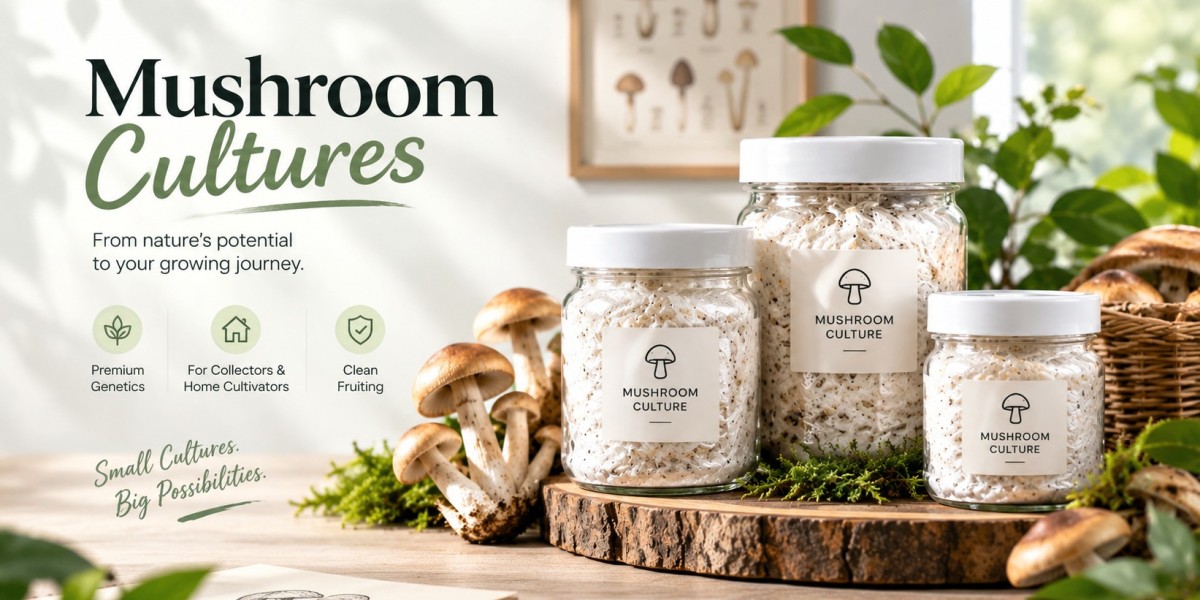

Buying your first mushroom culture can feel overwhelming. There are many cultivars, several volume options and a wide range of quality between suppliers. The choice you make at the start influences everything that follows, from how quickly your project gets going to how much effort you spend fixing problems later. A mushroom cultures is the living foundation of your growth. If it is pure, active and well documented, the rest of the process becomes far more manageable.
If it is contaminated, weak or poorly labeled, even careful technique may not save the result. That is why it pays to slow down and evaluate a culture before you commit.This guide breaks the decision into clear steps. You will learn how to judge quality, match a size to your plan, pick a cultivar that suits your experience and avoid the mistakes that catch many first time buyers. By the end, you should feel confident making a smart, informed choice.
Step One Define Your Goal
Before comparing products, decide what you actually want. Are you a complete beginner hoping to complete a first successful growth? Are you an intermediate grower looking to expand? Or are you a collector building a genetics library with distinctive cultivars? Your goal shapes every other decision. A beginner benefits from a reliable, forgiving cultivar in a small size. An intermediate grower may want a few different cultivars to compare. A collector may care most about rarity, appearance and documentation.
Knowing which category you fall into prevents you from buying more than you need or less than you want.It also helps to think about your timeline and workspace. If you have limited space, a modest volume will do. If you plan to run many containers over several weeks, you will want a larger volume or several smaller ones. Matching your goals to your resources is the first and most important step in smart buying.
Step Two Understand the Size Options
Sizes are one of the most practical things to understand. Most suppliers offer a small, medium and larger option so buyers can scale gradually. Looking at the range of mushroom culture in 10 mL, 30 mL or 60 mL sizes makes it easy to see how volume maps onto different projects. A small volume is perfect for a first attempt or a trial of a new cultivar. It keeps costs low and reduces waste. A medium volume suits growers who run several containers at a time and want some flexibility. A larger volume suits those scaling up or those who prefer to buy in bulk and keep a reserve.
Size | Best For | Typical Use Case |
10 mL | Beginners and trials | A first project or testing a new cultivar |
30 mL | Regular home cultivators | Running several containers in one session |
60 mL | Scaling and reserves | Larger workloads or keeping stock on hand |
If you are unsure, starting small is almost always the safer option. You can always order more once you have confirmed that a cultivar suits you. A wellpriced mushroom culture in beginner cascadia teacher 10ml , 30 mL, or 60 mL sizes selection removes the guesswork by letting you compare sizes side by side.
Step Three Judge the Quality Signals
Quality is the most important factor, fortunately you can assess much of it from appearance and presentation. A healthy culture usually shows a clear or lightly tinted liquid with fine mycelium gently suspended or forming small, soft clusters. Warning signs include cloudiness, unusual colors, slimy films or a sour, rotten smell. These can indicate bacterial or mold contamination and are reasons to be cautious.
If you notice any of these on arrival, contact the supplier promptly and avoid using the material.Pay attention to the container too. Seals should be intact, labels legible and the packaging protective. Quality suppliers understand that shipping can stress living material, so they package carefully. Reading reviews and looking for clear sterility and testing information gives additional reassurance about the supplier’s standards.
Step Four Pick a Cultivar That Fits Your Experience
Different cultivars suit different growers. Beginner friendly cultivars are typically known for steady colonization and tolerant behavior. They are ideal when you are still learning technique and want fewer variables to manage. Distinctive or rare cultivars appeal to collectors. They may have striking appearance or less common traits they can make a library feel more interesting.
They may also demand more attention, so many growers wait until they have a few successful grows behind them before investing. It is worth remembering that appearance is not a guarantee of yield; we don't make claims beyond visual traits. Each cultivar offers tendencies rather than promises; results depend heavily on your own conditions. Browsing a curated range of mushroom cultivars albino penis envy revert aper is a good way to see which traits appeal to you before you decide.
Step Five Check Labeling and Traceability
A reliable supplier labels every culture with the cultivar name, size and relevant dates. This might seem minor, but it matters enormously once you are managing several containers. Without clear labels, it is easy to confuse one cultivar with another and lose track of how old your stock is. Traceability also supports troubleshooting. If a grow behaves unexpectedly, you can compare it against records and rule out possible causes. It is a habit worth building on your own side to keep a simple log noting the cultivar, date received, storage conditions and outcomes. Collectors in particular benefit from clear documentation, since it preserves the identity and history of each line. A cultivar with a wellrecorded origin is simply more valuable and more trustworthy than one with no history at all.
Step Six Consider Freshness and Shipping
Because cultures are living material, freshness and shipping conditions influence performance. A recently prepared culture is generally more active than one that has been sitting for months. Look for suppliers that share preparation dates or maintain regular production so that stock turns over quickly. Shipping matters as well. Extreme heat or cold during transit can stress mycelium, so careful packaging and prompt dispatch are important. Fast handling reduces time in transit and protects viability.When your order arrives, inspect it right away. Check seals, look at the liquid and store it appropriately. Using it soon after arrival gives you the best chance of strong colonization. If you plan to use it later, move it to cool, stable storage promptly and avoid freezing.
Step Seven Compare Value, Not Just Price
It is tempting to choose the cheapest option, but price alone is a poor guide. A low cost culture that arrives contaminated or weak costs far more in wasted time and materials than a premium culture that performs. Value is the combination of quality, documentation, viability and support. Compare what each supplier includes. Do they offer clear sterility information? Do they stand behind their products? Is the catalog organized so that you can find what you need?
A well organized mushroom culture collection makes comparison easier and shows that the supplier takes cultivar identity seriously.Think also about total cost of your project. Containers, media and time all add up, so protecting that investment with a dependable culture is usually the smartest spend. Premium quality is rarely the expensive part of a successful growth.
Matching Cultures to Different Types of Growers
It helps to picture a few typical buyers. A first time grower with a single container should start with a small volume of a forgiving cultivar and focus on technique. An enthusiastic hobbyist running several containers should consider a medium volume and perhaps two cultivars for comparison. A serious collector should prioritize documentation, rarity and distinctive appearance.
Each type of grower benefits from a slightly different approach, but all share the same needspurity, clarity and traceability. Whatever your category, prioritize those three and you will make better decisions than a buyer who chases novelty or low price alone.For those who want a dependable starting point, a beginner golden teacher 10ml mushroom culture range is designed to take the pressure off early decisions and let you focus on learning.
Red Flags to Watch For
A few warning signs should make you cautious when buying. Vague or missing product information is one if a listing does not clearly state the cultivar, size or preparation details, ask questions before buying. Unrealistic promises are another. Anyone guaranteeing specific outcomes is overstating what any supplier can control. Poor presentation, such as blurry photos, inconsistent labeling or damaged packaging, can also signal weak standards.
So can a lack of contact information or support. A trustworthy supplier makes it easy to reach them and answers questions openly.Finally, be wary of material with an unknown history. A culture with no clear origin is a gamble for collectors; it undermines the value of the whole library. Choose suppliers who document what they sell and who stand behind it.
What to Do When Your Culture Arrives
Once your order arrives, a short routine protects your investment. First, inspect the container for damage and check that the seal is intact. Look at the liquid for clarity and note the label details. If anything looks wrong, photograph it and contact the supplier. Next, decide when you will use it. If it is soon, let the culture settle toward room temperature and prepare your workspace carefully. If it will be later, place it in cool, stable storage, upright and sealed, note the date.
Before you begin any work, prepare materials in advance and clean your workspace thoroughly. Sterile technique starts before the container is opened. A calm, organized approach reduces the chance of contamination and gives the mycelium the best possible start. If you are just beginning, the mushroom cultures albino bluey vuitton range offers varied options to practice with as your confidence grows.
Building Confidence Through Small Steps
The best way to become a skilled grower is to start small and learn deliberately. Choose one cultivar, a modest volume and a simple plan. Take notes at each stage. When the first growth is complete, review what worked and what did not, then adjust. Gradually add a second cultivar to compare then perhaps a third. This measured approach builds both skill and a thoughtful genetics library. Each addition teaches you something new about how cultivars differ; each success builds confidence. Over time, you will find that your choices become more intuitive. You will recognize quality signs at a glance, know which sizes suit your workload and understand which cultivars match your tastes. The goal is not to buy everything at once but to grow your knowledge alongside your collection. Many collectors find that a few well chosen albino jedi mind fck ajmf mushroom cultures become the centerpiece of a library they enjoy for years.
Quick Buying Checklist
Define your goal learning, expanding or collecting.
Match volume to workload and start small if unsure.
Check for clear liquid, neutral smell and intact packaging.
Confirm clear labeling and preparation information.
Choose a cultivar that fits your experience level.
Compare value, not just price.
Store promptly and use fresher stock first.
Frequently Asked Questions(FAQs)
How do I choose the right mushroom culture size?
Match the volume to your workload. A 10 mL size suits first projects and trials, 30 mL suits regular use across several containers 60 mL suits scaling or keeping a reserve.
What does a high quality mushroom culture look like?
A clear or lightly tinted liquid with gently suspended mycelium, a neutral to mildly earthy smell, intact seals and clear labeling are all good signs.
Is the cheapest mushroom culture the best value?
Usually not. A contaminated or weak culture wastes time and materials, so judge value by purity, documentation and viability rather than price alone.
Can beginners buy premium mushroom cultures?
Yes, Premium refers to quality and documentation rather than difficulty. Beginners should pair a premium culture with a forgiving cultivar and a small size.
How should I store a culture after it arrives?
Keep it sealed, upright and cool in a stable spot away from sunlight. Avoid freezing and use fresher stock first.
Do cultivars guarantee a particular result?
No, Appearance is not a guarantee of yield; we don't make claims beyond visual traits. Your conditions and technique strongly influence results.