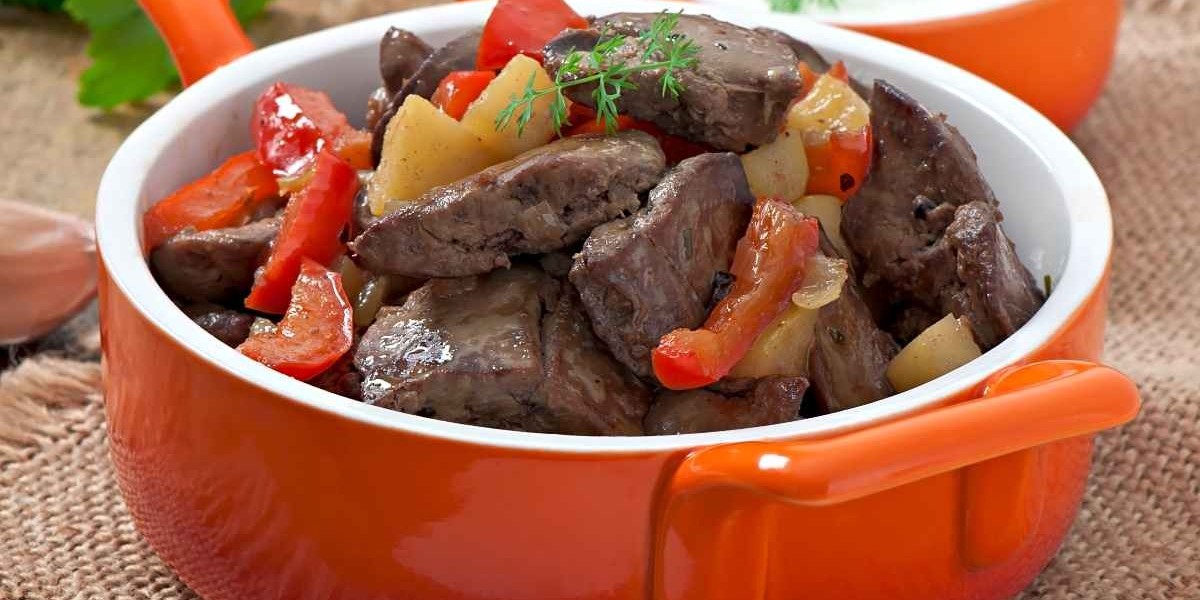

Liver has a reputation problem. Many people remember it as gray, tough, and bitter, a dish served out of obligation rather than joy. The truth is that liver is one of the most affordable, nutrient-dense, and flavorful cuts you can cook, as long as you treat it with a little care. This liver stew recipe shows you how to turn it into a tender, deeply savory meal that even skeptics ask seconds of.
At Devine Dishes, we build recipes for real home cooks who want reliable results without fuss. This stew has a gently spiced tomato and onion base, tender liver that stays soft instead of rubbery, and a thick, spoonable gravy made for rice, bread, or flatbread. It comes together in about 40 minutes in a single pot, so it fits a busy weeknight as easily as a relaxed weekend dinner.
How Do You Make Liver Stew?
To make liver stew, soak sliced liver in milk for 20 to 30 minutes, then sear it briefly in a hot pan. Sauté onions, garlic, ginger, and tomatoes until they form a thick sauce, return the liver to the pot, and simmer gently for 8 to 10 minutes until just cooked through. Overcooking is what makes liver tough, so keep the simmer low and the timing short.
That snippet-sized answer is the heart of the method. The rest of this guide explains why each step matters, so you can repeat the result every time.
What Is Liver Stew?
Liver stew is a slow-simmered or quick-cooked dish in which sliced liver is cooked in a seasoned sauce of onions, tomatoes, peppers, and spices. Versions exist all over the world. In many African and Caribbean kitchens, it is a weeknight staple served with ugali, rice, plantain, or chapati. In European cooking, liver and onions is a classic pairing. Across South Asia, liver masala brings in warm spices like cumin, coriander, and garam masala.
Beef, chicken, lamb, and goat liver all work. Beef liver is the most common choice for stew because it has a robust flavor and holds its shape. Chicken liver is milder, softer, and cooks faster, so it suits people new to organ meats.
Why You Should Cook With Liver
Beyond flavor, there are practical reasons to keep liver in your rotation.
It Is Packed With Nutrients
Liver is often described as nature’s multivitamin. A typical 100-gram (3.5 oz) serving of cooked beef liver is a rich source of:
Vitamin B12, which supports nerve function and red blood cell formation
Vitamin A (retinol), important for vision, immunity, and skin
Iron (heme iron), which the body absorbs more readily than the iron in plants
Folate, needed for cell growth and repair
Copper, zinc, and riboflavin, which support energy metabolism
High-quality protein, with very little prep time
It Is Budget-Friendly
Liver costs far less per pound than steak or roasts, which makes it ideal for the “cheap and easy dinner” crowd. A single pound can feed four to six people when stretched with a generous sauce and a starchy side.
It Cooks Fast
Unlike tougher cuts that need hours of braising, liver cooks in minutes. This is a rare stew that is truly weeknight-friendly.
A note on moderation: Because liver is very high in vitamin A, health authorities generally suggest enjoying it in moderation, often once a week or less. People who are pregnant or have specific medical conditions should check with their doctor or a registered dietitian before eating it regularly.
Ingredients for This Liver Stew Recipe
This list serves 4 to 6 people. Everything is easy to find at a regular grocery store.
For the Liver
1 lb (450 g) beef liver, or chicken liver, trimmed and sliced into thin strips about ½ inch (1 cm) thick
1 cup (240 ml) whole milk, for soaking (buttermilk or lemon-water also work)
2 tablespoons all-purpose flour, for light dredging
½ teaspoon salt
½ teaspoon black pepper
For the Stew Base
3 tablespoons vegetable or olive oil
2 medium onions, finely diced
4 cloves garlic, minced
1 tablespoon fresh ginger, grated
1 green bell pepper, diced
3 ripe tomatoes, chopped (or one 14 oz / 400 g can of diced tomatoes)
2 tablespoons tomato paste
1 teaspoon paprika
1 teaspoon ground cumin
½ teaspoon turmeric
½ teaspoon curry powder (optional)
1 bay leaf
1 cup (240 ml) beef or chicken broth
Salt and pepper, to taste
Fresh cilantro or parsley, for finishing
Juice of ½ lemon, to brighten the sauce
Optional Add-Ins
1 cup diced carrots or potatoes for a heartier stew
A pinch of chili flakes or one fresh chili for heat
1 teaspoon brown sugar to balance the acidity of the tomatoes
Equipment You Will Need
A large, deep skillet or Dutch oven
A sharp knife and cutting board
A shallow bowl for soaking
A wooden spoon
A kitchen thermometer (helpful for food safety)
How to Make Liver Stew: Step-by-Step Instructions
The method below is the one we trust because it solves the three classic problems with liver: bitterness, toughness, and a metallic aftertaste.
Step 1: Clean and Trim the Liver
Rinse the liver under cool water and pat it dry. Use a small knife to remove the thin outer membrane and any visible veins or tough connective tissue. These parts turn chewy when cooked. Slice the liver against the grain into strips about ½ inch (1 cm) thick. Slicing evenly means everything cooks at the same speed.
Step 2: Soak the Liver in Milk
Place the sliced liver in a bowl and cover it with milk. Refrigerate for 20 to 30 minutes. This step does two helpful things. The milk mellows the strong, slightly bitter flavor, and it softens the texture. If you do not have milk, a splash of lemon juice in cold water gives a similar effect.
After soaking, drain the liver and pat it completely dry with paper towels. Dry liver sears. Wet liver steams.
Step 3: Season and Dredge
Toss the dry liver with the flour, salt, and pepper. The thin coating helps the meat brown quickly and later thickens the stew sauce.
Step 4: Sear the Liver Quickly
Heat 1 tablespoon of oil in a large skillet over medium-high heat. Add the liver in a single layer, working in two batches if needed so the pan does not get crowded. Sear for about 1 minute per side until lightly browned but still pink inside. Transfer to a plate. The liver will finish cooking in the sauce, so do not cook it through at this stage.
Step 5: Build the Flavor Base
In the same pan, add the remaining 2 tablespoons of oil. Add the onions and cook for 5 to 6 minutes until soft and golden. Stir in the garlic, ginger, and bell pepper and cook for another 2 minutes until fragrant.
Step 6: Add Tomatoes and Spices
Add the tomatoes, tomato paste, paprika, cumin, turmeric, curry powder, and bay leaf. Cook for 8 to 10 minutes, stirring occasionally, until the tomatoes break down into a thick, glossy sauce and the oil begins to separate at the edges. This is where the depth of flavor develops, so do not rush it.
Step 7: Add Broth and Simmer
Pour in the broth, scrape up any browned bits from the bottom of the pan, and bring to a gentle simmer. If you are using potatoes or carrots, add them now and cook for 10 to 12 minutes until nearly tender.
Step 8: Return the Liver and Finish
Reduce the heat to low. Slide the seared liver and any juices back into the pot. Simmer gently, uncovered, for 6 to 8 minutes. The liver is done when it is no longer pink in the center and reaches an internal temperature of 160°F (71°C). Remove the bay leaf, stir in the lemon juice, and taste. Adjust salt, pepper, and heat.
Step 9: Garnish and Serve
Scatter fresh cilantro or parsley over the top and serve hot.
Pro Tips for Tender, Never-Bitter Liver
These small habits make the biggest difference.
Do Not Overcook It
This is the number one rule. Liver goes from silky to rubbery in a couple of minutes. A brief sear plus a short, gentle simmer is all it needs.
Slice Thin and Even
Uniform ½-inch strips cook at the same rate. Thick chunks end up dry outside and underdone inside.
Keep the Heat Moderate in the Sauce
A hard boil toughens the proteins. Aim for small, lazy bubbles.
Add Acidity at the End
Lemon juice or a splash of vinegar lifts the richness and balances the mineral flavor of liver. Add it just before serving so it stays bright.
Choose Fresh, Quality Liver
Look for liver that is deep reddish-brown, moist, and glossy, with a clean smell. Avoid anything with gray patches or a sour odor. If you can, buy from a butcher you trust and ask about sourcing, since younger animals tend to produce milder liver.
Do Not Skip the Dry Step
Patting the liver dry after soaking is what gives you browning and flavor instead of a pale, steamed result.
Flavor Variations to Try
Once you have the base down, experiment.
Coconut liver stew: Replace half the broth with coconut milk for a creamy, mildly sweet sauce that pairs beautifully with rice.
Spicy peri-peri style: Add 1 to 2 tablespoons of peri-peri sauce or a chopped scotch bonnet pepper.
Mushroom and onion version: Add 8 oz sliced mushrooms and extra caramelized onions for a savory, earthy depth.
Chicken liver stew: Reduce the simmer time to 4 to 5 minutes, since chicken liver cooks faster and is more delicate.
Smoky paprika and bacon: Render two strips of chopped bacon first, then cook the onions in the fat.
What to Serve With Liver Stew
Because the sauce is rich and savory, you want a neutral, absorbent partner. Our favorites:
Steamed white rice, jasmine rice, or turmeric rice
Soft flatbreads or wraps. A fresh batch of soft shawarma wrap bread makes a wonderful scoop for the gravy.
Layered chapati. If you enjoy East African flavors, a stack of fluffy Kenyan chapatis turns this stew into a complete, satisfying meal.
Mashed potatoes or boiled yams
Ugali, polenta, or couscous
A crisp side salad or sautéed greens to add freshness and cut the richness
Building a Full Menu Around Your Stew
If you are cooking for guests or planning your week, it helps to think in terms of balance. Liver stew is hearty and deeply savory, so lighter companions work best.
For a cozy family dinner, pair the stew with rice and a simple cucumber and tomato salad. For a protein-forward spread, add a second main such as crispy air-fried whole tilapia or a tray of baked basa fillet with a simple tomato sauce, both of which share the tomato-forward flavors of the stew. And if you love one-pot comfort food in general, you will also enjoy our cabbage, potato, and beef stew, which is another rich, budget-friendly dinner that rewards a little patience.
Nutrition Information (Approximate, Per Serving)
Based on 5 servings, with beef liver and without potatoes:
Nutrient | Amount |
Calories | 290 kcal |
Protein | 27 g |
Carbohydrates | 14 g |
Fat | 13 g |
Fiber | 2 g |
Sugar | 5 g |
Iron | Excellent source |
Vitamin B12 | Excellent source |
Vitamin A | Excellent source |
These are estimates and will vary by brand and portion size. For personal dietary guidance, consult a qualified professional.
Food Safety and Storage
Safe Cooking Temperature
Cook liver to an internal temperature of 160°F (71°C). If you do not have a thermometer, cut into the thickest piece. It should be uniformly brown with no raw pink center.
Storing Leftovers
Refrigerator: Cool the stew within 2 hours and store in an airtight container for up to 3 days.
Freezer: Freeze in portions for up to 2 months. Thaw overnight in the fridge.
Reheating: Warm gently over low heat with a splash of broth or water, and stop as soon as it is hot. Vigorous reheating makes the liver tougher, so a microwave on medium power in short bursts also works well.
Common Mistakes to Avoid
Skipping the soak. It is the easiest way to reduce bitterness.
Crowding the pan. Too much liver at once lowers the temperature and steams the meat.
Simmering too long. Ten minutes in the sauce is plenty.
Under-seasoning. Liver loves salt, acid, and spice. Taste and adjust at the end.
Using wet liver. Always pat dry before searing.
Make-Ahead and Meal-Prep Tips
You can prepare the sauce up to two days ahead. Store it in the fridge, then reheat it to a simmer and add freshly seared liver when you are ready to eat. This approach gives you the best texture, because the liver is cooked only once, right before serving. It is also a smart meal-prep strategy for busy weeks: make a double batch of sauce, freeze half, and you have a head start on the next dinner.
Final Thoughts
Cooked well, liver is not something to endure. It is a quick, nourishing, and flavorful ingredient that rewards a little attention to detail. Soak it, slice it thin, sear it briefly, and let it finish in a bold, tomato-rich sauce, and you will get a tender, savory stew with none of the bitterness people dread.
Keep this liver stew recipe bookmarked for nights when you want something affordable, filling, and packed with nutrients. Serve it with warm bread or fluffy rice, add a bright squeeze of lemon, and enjoy a meal that tastes like it took far longer than 40 minutes.
If you try it, we would love to hear how it turned out. Leave a comment, share your own twists, and tag us on social media. Happy cooking from all of us at Devine Dishes.
Frequently Asked Questions
How do I get the bitter taste out of liver?
Soak the sliced liver in milk for 20 to 30 minutes before cooking. Trim away the outer membrane and any veins, and do not overcook it. A squeeze of lemon at the end also balances any remaining sharpness.
How long does it take to cook liver in a stew?
After a quick sear, liver needs only 6 to 10 minutes of gentle simmering in the sauce. Chicken liver needs closer to 4 to 5 minutes. Cooking beyond that point is what makes it tough.
Can I use chicken liver instead of beef liver?
Yes. Chicken liver is milder and more tender, and it cooks faster. Reduce the simmer time and handle it gently so it does not crumble.
Why is my liver tough and rubbery?
The most common causes are overcooking, boiling the sauce too hard, and slicing the pieces too thick. Keep the heat moderate and the timing short.
Is liver stew healthy?
Liver stew is rich in protein, iron, vitamin B12, and vitamin A. Because it is so concentrated in vitamin A, enjoy it in moderation and talk to a healthcare professional if you are pregnant or managing a medical condition.
What is the best liver for stew?
Beef liver is the most popular for its bold flavor and firm texture. Chicken liver is the best choice for beginners because it is mild and soft. Lamb and goat liver offer a stronger, more distinctive taste.