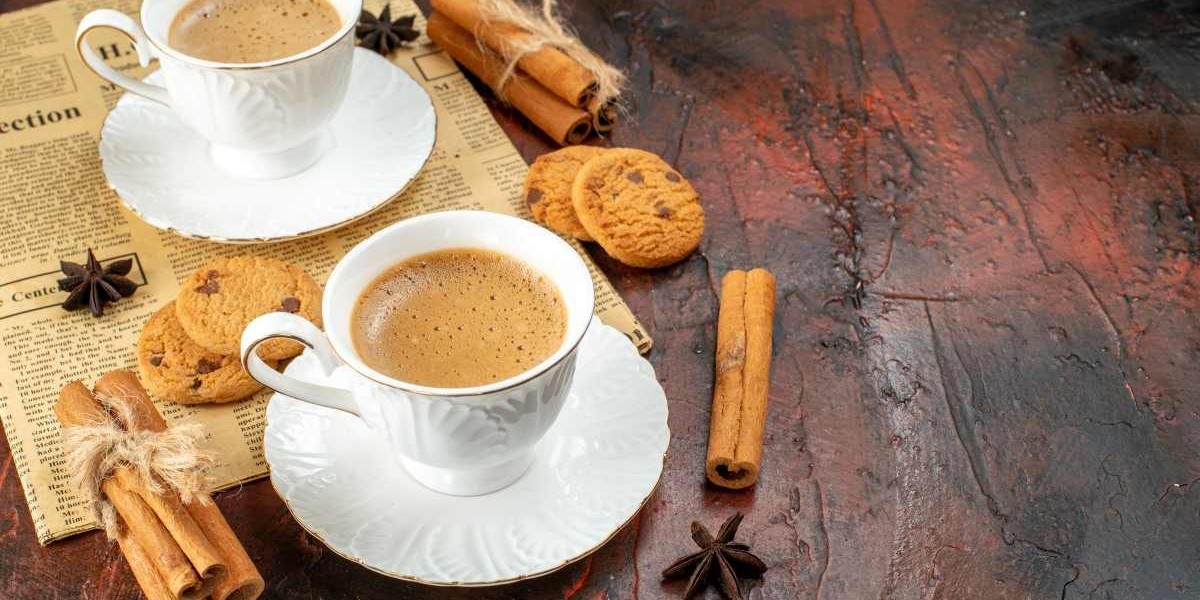

There is a sound that defines a Kenyan morning: a saucepan bubbling on the stove, milk climbing slowly toward a boil, and the warm smell of ginger and cardamom drifting through the house. That sound means chai is almost ready.
Whether it is poured at dawn before school, at a mid-morning office break, or at dusk beside a plate of something fried and golden, Kenyan Chai is less a drink and more a daily ritual. It is the first thing offered to a guest, the last thing shared before saying goodnight, and the cup that turns an ordinary afternoon into a pause worth having.
In this guide from Devine Dishes, you will learn what the drink really is, where the tradition comes from, the exact ingredients and a step-by-step method that serves four, regional variations, the most common mistakes, what to serve alongside it, and clear answers to the questions people ask most. By the end, you will be able to brew a pot that tastes like it came straight from a Nairobi kitchen.
What Is Kenyan Chai?
Kenyan Chai is a hot, milky tea made by simmering strong black CTC tea leaves directly in a mixture of water and whole milk, usually sweetened with sugar and often flavoured with fresh ginger or cardamom. Unlike tea made by steeping a bag in hot water and adding milk afterwards, the leaves are boiled together with the milk. This gives a deeper colour, a fuller body, and a naturally creamy sweetness.
Key facts at a glance:
Base: Strong black tea, traditionally CTC (crush, tear, curl) grade
Liquid: Roughly equal parts water and whole milk
Flavourings: Fresh ginger, cardamom, or a pinch of tea masala (all optional)
Sweetener: White sugar, added to taste
Method: Simmered in one pot, then strained into cups
Time: About 15 to 20 minutes from start to finish
Best served: Piping hot, with a snack
The Story Behind Kenya’s Tea Culture
From Highland Estates to Everyday Cups
Tea was introduced to Kenya in the early 1900s, with the first plantings commonly traced to the Limuru area near Nairobi around 1903. The country’s highlands turned out to be ideal: high altitude, rich volcanic soil, regular rainfall, and warm days followed by cool nights. Today, Kenya is among the largest exporters of black tea in the world, with major growing regions in Kericho, Nandi Hills, Limuru, Kisii, and the slopes around Mount Kenya.
What surprises many visitors is how much of that tea stays at home. Most of the leaf grown in Kenya is processed using the CTC method, which produces small, dense pellets that release colour and strength quickly. That is exactly what you want when you are boiling leaves with milk. Over the decades, the habit moved from estate worker camps into family homes, and the way people brew it became a tradition of its own. Now, Kenyan Chai is served at breakfast tables, roadside kiosks, market stalls, weddings, funerals, and business meetings across the country.
What “Chai” Means in Swahili
The word chai is simply the Swahili word for tea, and it travelled across the Indian Ocean trade routes along with spices and cooking techniques. In Kenya, asking for chai without any qualifier usually gets you a cup of sweet, milky tea, not a spice-heavy blend. If you want it without milk, you would ask for chai ya rangi (coloured tea) or chai kavu (dry tea), terms you will hear in many households.
How It Differs From Other Teas You May Know
If you have only had tea from a bag or a café latte-style chai, the Kenyan version may taste surprisingly different. Here is how it compares:
Versus masala chai: Indian masala chai leans heavily on a blend of spices such as cinnamon, cloves, black pepper, and fennel. The Kenyan style is simpler. Ginger and cardamom are common, but many cups contain no spice at all.
Versus English breakfast tea: English tea is usually steeped in hot water and milk is added at the end. The Kenyan method boils everything together, which builds a richer, rounder flavour.
Versus chai latte: Café chai lattes use concentrate or syrup and steamed milk. The Kenyan version is brewed from scratch in one pot, with no concentrate and no frothing.
Versus black tea without milk: The milk is not an afterthought. It is cooked with the leaves, so the proteins and sugars in the milk soften the tea’s natural astringency.
Ingredients You Need
This short list is all you need for four generous cups of Kenyan Chai:
2 cups (480 ml) water
2 cups (480 ml) whole milk
3 heaped teaspoons loose CTC black tea, or 3 strong black tea bags
1 inch (2.5 cm) fresh ginger, peeled and lightly crushed (optional)
3 green cardamom pods, lightly crushed (optional)
2 to 4 teaspoons sugar, to taste
Choosing the Right Tea
The tea matters more than anything else on the list. Look for loose CTC black tea, often sold in Kenyan and East African grocery stores in boxes or sachets. Popular Kenyan brands include Ketepa and Kericho Gold. If you cannot find those, strong Assam CTC from an Indian grocery store is a close substitute. In a pinch, a robust English breakfast bag will work, though you may need an extra bag, since the leaf is usually finer and weaker than loose CTC.
Avoid delicate teas such as green, white, or lightly oxidised black teas. They will turn bitter or disappear under the milk.
Choosing the Milk
Whole milk gives the creamiest result, and it is what most Kenyan households use, either fresh (boiled first) or long-life. Two percent milk works, but the finished cup will be thinner. If you prefer a dairy-free version, oat milk is the most reliable alternative because it handles heat well. Almond and soy milk can separate when boiled with tea, so add them gently and avoid a hard boil.
Choosing the Spices and Sweetener
Fresh ginger adds a warm, peppery lift that cuts through the richness. Cardamom adds a floral sweetness. Use whole pods, crushed just enough to crack the shell, rather than ground powder, which can make the tea gritty. Sugar is traditionally stirred in during cooking so it dissolves fully, but you can also add it at the end if you want each person to sweeten their own cup.
Step-by-Step Recipe
Follow these steps for a pot of Kenyan Chai that is rich and fragrant but never bitter.
Heat the water and spices. Pour the water into a medium saucepan. Add the crushed ginger and cardamom pods. Bring to a rolling boil over medium-high heat and let it bubble for 2 minutes so the spices release their aroma.
Add the tea. Stir in the tea leaves. Reduce the heat to medium and simmer for 2 minutes. The water should turn a deep reddish-brown.
Pour in the milk. Add the milk and sugar. Stir once to combine.
Bring to a gentle boil. Raise the heat slightly and watch the pot closely. When the surface rises and foams, lower the heat immediately to prevent boiling over.
Simmer. Let the chai simmer gently for 3 to 5 minutes, stirring occasionally. A longer simmer gives a stronger, darker cup.
Strain and serve. Pour through a fine mesh strainer into a warmed teapot or directly into mugs. Taste, adjust the sugar, and serve hot.
Nutrition snapshot (approximate, per cup, with 2 teaspoons of sugar): around 110 to 130 calories, depending on the milk and sugar you use.
Tips for the Best Flavour
Three habits separate a great pot from an average one, and they are worth practising until they become automatic. First, always add the tea to water before adding the milk. Tea leaves extract colour and flavour best in plain water, and milk slows that process. Second, never walk away once the milk goes in. Milk foams quickly and boils over in seconds. Third, strain right away. Leaving the leaves in the pot after cooking makes the tea harsh as it cools. Master these three steps and your Kenyan Chai will taste balanced every single time.
Popular Variations
Once you are comfortable with the basic method, you can adjust it to suit your mood, the weather, or whoever is visiting.
Chai ya Tangawizi (Ginger Tea)
Increase the fresh ginger to 2 inches (5 cm) and skip the cardamom. Simmer the ginger in the water for 5 minutes before adding the tea. This version is warming on cold evenings and a favourite when someone is feeling under the weather.
Chai ya Masala (Spiced Tea)
Add a small pinch of tea masala or a mix of ground cinnamon and a single clove along with the cardamom. Keep the spices light so the tea itself stays in the foreground.
Chai ya Rangi or Chai Kavu (No-Milk Tea)
Skip the milk and use all water, about 3 cups in total. Simmer the tea for 3 minutes, strain, and serve with sugar and a squeeze of lemon if you like. This lighter style is common in the afternoon and with oily or fried foods.
Strong and Sweet “Roadside” Style
Use four heaped teaspoons of tea instead of three, increase the sugar slightly, and simmer for the full 5 minutes. The result is the bold, dark, sweet cup you would find at a busy roadside kiosk.
Dairy-Free and Lower-Sugar Versions
Swap in oat milk and reduce the sugar to 1 teaspoon per cup, or use a small amount of honey stirred in at the end. Because honey loses its delicate flavour when boiled, always add it after straining.
What to Serve With Your Chai
In Kenya, chai rarely arrives alone. It is the centre of a small spread that can be as simple as buttered bread or as generous as a full tea table. Here are pairings that never fail.
The classic companion is something fried and lightly sweet. A warm batch of soft, cardamom-scented East African mandazi is the most traditional pairing: dunk a corner into the hot tea and you will understand the tradition immediately.
If you prefer something softer and more flexible, tear off a piece of golden, layered Kenyan chapati and use it to scoop up a sip of tea or to mop up the last of a savoury breakfast. Chapati is as comfortable at the breakfast table as it is at dinner.
For something wholesome and comforting, try serving the tea alongside creamy coconut nduma, a tender arrowroot dish that offers a gentle, earthy sweetness against the spiced tea.
After a hearty meal, a cup of tea is the natural finish. A plate of Kenyan mukimo, the mashed blend of potatoes, greens, maize, and beans, is filling and savoury, and the tea afterwards helps round out the meal.
When you are hosting a celebration, pair the tea with a slice of rich chocolate and cherry Black Forest cake. The tea’s gentle bitterness balances the cream and sweetness beautifully, and the contrast makes both taste better.
Other easy pairings include plain buttered toast, boiled eggs, roasted peanuts, samosas, and digestive biscuits. When you serve Kenyan Chai to guests, offer a small plate of something salty and something sweet, and let everyone choose.
Is It Good for You? A Balanced Look
A cup of Kenyan Chai offers a mix of benefits and trade-offs worth knowing about. Black tea naturally contains antioxidants called polyphenols and a moderate amount of caffeine, generally around 40 to 70 mg per cup, which is less than a typical cup of coffee. Ginger has a long history in traditional kitchens as a digestive aid, and milk adds protein and calcium.
On the other side, the sugar can add up quickly, especially if you drink several cups a day. If you are watching your intake, reduce the sugar gradually by a quarter teaspoon each week; your palate adjusts faster than you might expect. People who are sensitive to caffeine, pregnant, or managing a health condition should check with their doctor about how much tea is right for them. This article is for general food information and is not medical advice.
Common Mistakes and How to Fix Them
The tea tastes bitter. You probably simmered it too long or left the leaves in after cooking. Reduce the simmer time and strain promptly.
The tea tastes weak or watery. Use more tea, simmer a little longer, or switch from tea bags to loose CTC leaf.
The milk curdles. This can happen with milk that is near its expiry date or when acidic ingredients such as lemon are added to hot milk. Use fresh milk and add lemon only to milk-free versions.
A skin forms on top. Stir occasionally during simmering, and pour the chai soon after it finishes cooking.
It boils over. Use a larger pot than you think you need, and lower the heat as soon as the foam rises.
The spices taste harsh. Use whole crushed pods and fresh ginger instead of old ground spices, and use them sparingly.
Storage, Make-Ahead and Serving for a Crowd
Chai is best enjoyed fresh, but it holds up well in a thermos. A well-insulated flask will keep it hot and good-tasting for three to four hours, which makes it perfect for road trips, picnics, and long meetings. Leftover tea can be refrigerated in a sealed container for up to two days and gently reheated on the stove. Avoid microwaving on high power, which can scorch the milk.
To serve a crowd, multiply the recipe and brew it in a large pot. A good ratio for ten people is 5 cups of water, 5 cups of milk, 8 heaped teaspoons of loose tea, and a 2-inch piece of ginger. Keep the pot warm over the lowest heat and set out sugar separately so guests can sweeten to taste.
Conclusion
Brewing a good pot comes down to a handful of simple choices: strong CTC tea, whole milk, a short simmer, and a patient eye on the stove. Once you have made Kenyan Chai a few times, you will find that you no longer need to measure. You will know by colour and aroma exactly when it is ready.
Save this recipe, share it with a friend who loves a good cup of tea, and explore more East African recipes right here at Devine Dishes.
Frequently Asked Questions
What is Kenyan tea made of?
It is made from strong black CTC tea leaves, water, whole milk, and sugar, often with fresh ginger or cardamom. All ingredients are simmered together in one pot, then strained into cups.
Is this style of tea the same as masala chai?
No. Masala chai uses a complex blend of spices such as cinnamon, cloves, and black pepper. The Kenyan style is simpler and focuses on strong tea and creamy milk, with only light spicing, if any.
What is the ratio of water to milk?
A common ratio is one part water to one part milk. For a richer cup, use a little more milk. For a lighter cup, use a little more water.
Can I make it dairy-free?
Yes. Oat milk is the best option because it tolerates heat. Add it after the tea has simmered and avoid a hard boil. Almond and soy milk may separate.
How much caffeine does a cup contain?
A typical cup of black tea contains roughly 40 to 70 mg of caffeine. Because this tea is diluted with milk, many people find it gentler than coffee.
How long does it keep?
It stays hot in a thermos for about three to four hours. In the refrigerator, it keeps for up to two days. Reheat gently on the stove.
What can I eat with it?
Mandazi, chapati, buttered bread, boiled eggs, samosas, roasted nuts, and simple cakes all pair well. Sweet and savoury snacks both work.