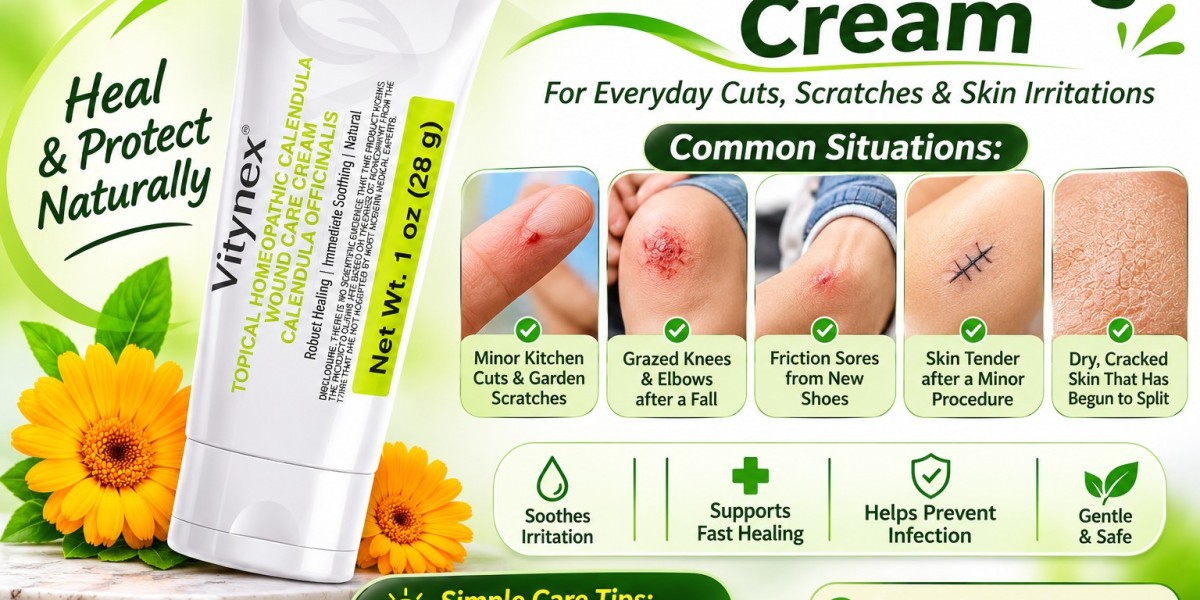

Having a biopsy or a skin surgery can feel daunting. Once the procedure is over, many people are left wondering what to do next. How should the site be cleaned? Should it be covered? Is there a cream that helps? And how will you know whether healing is going well?After a skin biopsy or Mohs surgery, always follow your surgeon’s written aftercare first. If your clinician agrees that a topical product is suitable, a gentle wound healing cream may be used alongside a clean dressing to keep the area comfortable and protected. This article explains what usually happens during healing after these procedures, how a cream may fit in and what questions to ask your care team.
Key Takeaways
Your surgeon’s instructions always override general advice.
Aftercare usually involves keeping the site clean, covered and protected.
Ask before using any new cream, since some plans specify particular products.
Watch for infection signs, unusual bleeding and increasing pain.
Sun protection helps new skin recover and may improve the look of the scar over time.
What Happens in Mohs Surgery and Skin Biopsies?
A skin biopsy removes a small sample of skin for examination. It may be done with a blade, a punch tool or a small incision, and the site may be closed with stitches or left to heal on its own. Mohs micrographic surgery is a precise technique used to remove certain skin cancers. The surgeon removes thin layers of tissue and examines each under a microscope until no cancer cells remain. The result is a wound that may be closed with stitches, a flap or graft, or left to heal naturally.Both procedures create a wound that needs thoughtful aftercare. The size, location and closing method all affect the instructions you will be given.
Why Aftercare Matters
Good aftercare supports three goals lowering the chance of infection, protecting the area from damage and encouraging a neat, comfortable recovery. Complications after minor skin surgery are not common, but they can happen. Bleeding, infection, wound reopening and unusual swelling are the main concerns. Following instructions closely and attending follow up appointments gives you the best chance of avoiding them.
The First 48 Hours
During the first day or two, most surgeons recommend
Keeping the original dressing in place for the time specified, often 24 to 48 hours
Resting the area, avoiding strenuous activity and heavy lifting if the site is on the trunk, arms or legs
Applying pressure if mild bleeding occurs, using a clean cloth for 15 minutes without peeking
Elevating the area if possible, particularly on the legs or head
Taking pain relief as advised by your clinician
Some bruising and mild swelling are normal, especially around the eyes, the lower legs or the scalp.
Where a Post Surgical Wound Care Cream Fits
Some surgeons suggest keeping the wound moist with a specified ointment. Others advise a different approach. A postsurgical wound care cream may be discussed as part of this plan, but only when the clinical team confirms it is suitable.
Do not assume that every cream is appropriate. Ask these questions at your appointment
Can I use a cream or ointment on this wound?
If so, which type and how often?
For how many days?
Should the wound be covered afterwards?
What should I do if the area becomes red, sore or swollen?
Write the answers on your discharge sheet so you can refer to them at home.
Healing Stages After Surgery
Time after procedure | What you may see | What to do |
Day 0 to 2 | Mild bleeding, swelling, bruising | Keep dressing on, rest, follow instructions |
Day 3 to 7 | Tenderness easing, edges starting to knit | Clean gently and redress as directed |
Week 1 to 2 | Stitches often removed, scab forming | Attend followup, protect from knocks |
Week 2 to 6 | New pink skin, itching | Keep skin moisturised once closed, avoid sun |
Month 2 to 12 | Scar softening and fading | Use sun protection, follow scar advice |
Individual recovery varies, so treat this table as a general guide only.
Calendula in Aftercare Conversations
Some patients ask about plant based options after a procedure. A calendula wound cream is one such option people mention to their care team. Calendula has long been used in traditional skin care for its gentle reputation. However, a surgical wound is not the same as a graze. The stitches, the depth and the underlying tissues mean your surgeon may have specific wishes. Bring the product to your appointment and ask whether it can be used, when to start and when to stop.
Understanding a Homeopathic, CalendulaBased Cream
Vitynex cream is described as a homeopathic, calendula based cream for skin care. Homeopathic products follow their own principles and labelling, which differ from conventional medicines. This is why reading the pack and product page matters, and why it helps to tell your clinician exactly what you plan to use. Being open with your care team about every product you apply, including natural ones, helps them give advice that fits your complete situation.
Keeping the Site Clean
Unless your surgeon says otherwise, here is a gentle cleaning routine
Wash your hands thoroughly.
Remove the old dressing slowly. If it sticks, moisten it with clean water.
Rinse the area gently with clean water or saline.
Pat dry around, not on, the wound.
Apply any approved product in a thin layer.
Cover with a fresh nonstick dressing.
Avoid soaking the area in baths, hot tubs or swimming pools until you have been told that the wound has sealed.
Skin Healing Cream After the Wound Closes
Once the wound has closed and any scab has come away on its own, the focus changes from protection to care of the new skin. A skin healing cream may be used, if your clinician agrees, to keep the area comfortable and moisturised.Newly healed skin is often pink, shiny, tight and itchy. Itching is typically a normal part of healing, but scratching can damage fragile tissue. Light moisturising and cool, clean compresses may help. If itching is severe or accompanied by redness, ask for advice.
Protecting New Skin From the Sun
Newly healed skin is more sensitive to ultraviolet light and can darken permanently if exposed. For the first year after a procedure, many dermatology teams recommend
Covering the area with clothing or a hat
Using a broadspectrum sunscreen on healed skin
Avoiding sunbeds entirely
Seeking shade during the middle of the day
This is especially important after Mohs surgery, since people treated for skin cancer are at higher risk of further unrelated skin changes.
Scar Care Basics
Scars cannot be erased, but good care can help them mature in a favourable way. Common advice includes
Waiting until the wound has fully closed before massaging
Gentle massage with a suitable moisturiser, once your clinician says it is safe
Silicone sheets or gels, if recommended
Sun protection
Patience, since scars often continue to fade for a year or more
Discuss any thick, raised or painful scarring with your doctor.
Choosing a Cream for Healing Wounds After Surgery
If your clinician says a topical product is acceptable, you may look for a cream for healing wounds that is gentle, fragrant and suitable for sensitive skin. Check the label for allergens, and avoid products containing strong perfumes, essential oils in high concentrations or alcohol based ingredients unless your care team approves. Use only clean applicators and never dip fingers repeatedly into a pot. Contamination can introduce bacteria to a vulnerable site.
Signs That Need Prompt Medical Attention
Contact your surgeon or seek urgent care if you notice
Bleeding that soaks through the dressing and does not stop with 15 to 20 minutes of firm pressure
Rapidly increasing swelling or a hard, tense lump
Redness spreading beyond the wound edges
Pus, cloudy fluid or a foul smell
Severe or worsening pain
A fever of 38°C (100.4°F) or higher
Stitches that come apart or a wound that opens
Early action usually leads to simpler treatment.
Lifestyle Choices That Support Recovery
Alongside topical care, your daily habits make a real difference
Eat well. Protein, vitamin C, zinc and iron all play roles in tissue repair, so aim for a varied diet.
Stay hydrated. Water supports circulation and skin health.
Stop smoking if you can. Smoking reduces blood flow and is linked with slower healing and more complications.
Limit alcohol while healing, especially if taking pain medication.
Sleep. Much repair happens during rest.
Move gently. Light walking supports circulation, within your clinician’s limits.
Fast Healing Cream for Open Wounds After Procedures
Some surgical wounds are intentionally left to heal on their own, known as healing by secondary intention. People often look for a fast healing cream for open wounds in this situation. It is important to understand that these wounds heal from the base upwards and can take several weeks, sometimes longer. Your surgeon will usually provide a specific dressing routine for this type of wound. Stay with that plan, and ask whether any additional topical product is appropriate.
Questions to Bring to Your Appointment
What type of closure was used and how long will it stay in?
When can I shower, bathe or swim?
How should I clean the wound and how often?
Can I use a cream, and if so, which one?
What activities should I avoid and for how long?
When is my followup and who do I call if I am worried?
What will the scar likely look like and how can I care for it?
Learn More
To explore the full range of skin care information and products, you can visit Curapep and read the details at your own pace.
Final Thoughts
Recovery after a biopsy or Mohs surgery is usually straightforward when you follow your surgeon’s plan, keep the site clean and protected, and stay alert to warning signs. A cream may have a role, but only with your clinician’s agreement. Protect new skin from the sun, be patient with the scar and keep every followup appointment.
Frequently Asked Questions(FAQs)
Can I use a wound healing cream after Mohs surgery?
Only if your surgeon agrees. Many surgeons specify a particular ointment or dressing, so ask before applying anything new.
How long does a biopsy site take to heal?
Small biopsy sites often close in one to three weeks, though this depends on size, depth and location.
Is itching normal while healing?
Yes, itching is common as new tissue forms. Avoid scratching, keep the area moisturised once closed and ask for advice if it is intense.
When can I get the site wet?
Your surgeon will tell you. Many people are advised to keep the dressing dry for the first day or two, then allowed brief, gentle washing.
Should I keep the wound covered?
Usually yes, for at least the first days. A clean, non-stick dressing protects the site and may help with comfort.
What does infection look like?
Spreading redness, warmth, increasing pain, pus, odour or fever are warning signs. Contact your clinician promptly.
Will I have a scar?
Any procedure that breaks the skin may leave a mark. Sun protection and good wound care help the scar mature as well as possible.
Can I use a homeopathic product alongside my prescribed aftercare?
Tell your care team what you plan to use. They can advise whether it suits your wound and your overall treatment plan.