
Planning for a Reliable Roofing System
Before work begins, the building should be evaluated to determine its roofing needs. Factors such as roof size, existing conditions, structural support, and drainage affect the installation plan. Property owners considering Flat Roof Installation in Bronx NY should also account for local weather patterns, including rain, snow, and seasonal temperature changes. A detailed assessment helps identify potential issues early and supports a roofing system designed for dependable performance.
Choosing the Right Roofing Materials
Flat roofs can be built with several materials, each offering different benefits. Common options include modified bitumen, built-up roofing, EPDM rubber, TPO, and PVC membranes. The right choice depends on the building’s use, budget, energy goals, and exposure to weather. Some materials provide strong resistance to ultraviolet rays, while others are valued for flexibility or durability. Comparing these options helps ensure the finished roof suits the property’s specific requirements.
Understanding the Installation Process
A professional installation usually begins with preparing the roof surface. Existing materials may need to be removed, and the roof deck should be inspected for damage or weakness. Any necessary repairs are completed before insulation and waterproofing layers are added. Each layer must be installed according to the roofing system’s specifications. Careful preparation is important because hidden defects or uneven surfaces can affect the roof’s performance after installation.
Why Drainage Matters on Flat Roofs
Although flat roofs appear level, they should have a slight slope that directs water toward drains or gutters. Without proper drainage, rainwater and melting snow can collect in low areas. Standing water may place extra weight on the roof and increase the chance of leaks or material deterioration. Drainage systems should be planned before installation, and drains must remain accessible for regular cleaning. Effective water movement helps preserve the roof’s structure.
The Importance of Proper Waterproofing
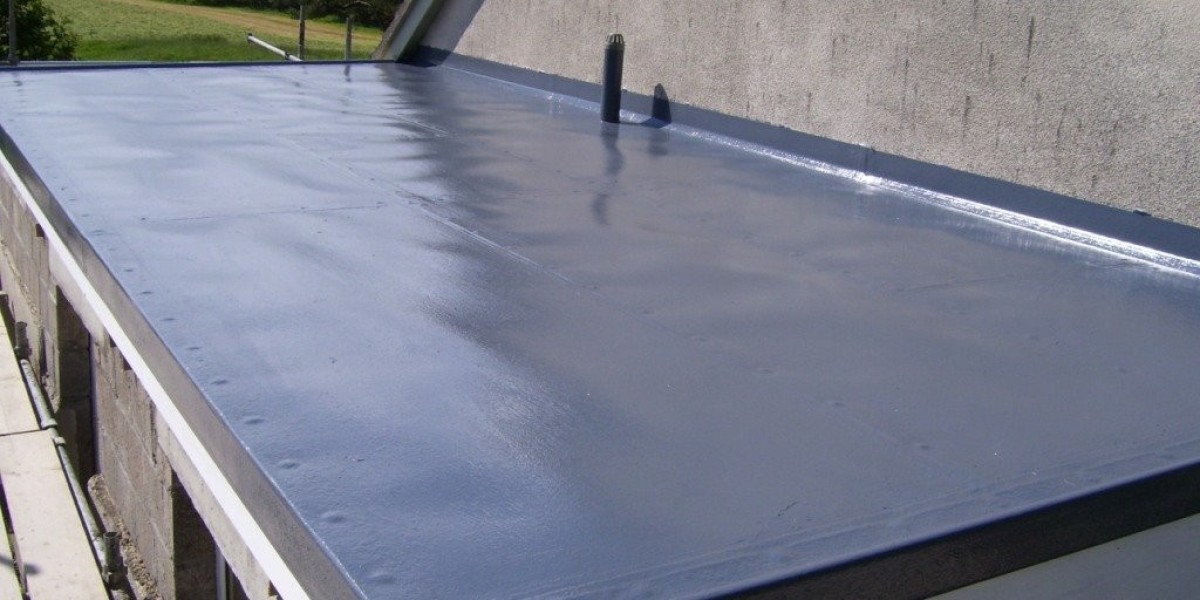
Waterproofing is one of the most important parts of a flat roofing system. Seams, edges, penetrations, and connections are common areas where moisture can enter if they are not sealed correctly. Roofing membranes must be joined carefully, and flashing should protect transitions around walls, vents, and equipment. A continuous waterproof layer helps prevent moisture from reaching the roof deck and interior spaces. Attention to these details can reduce the risk of costly repairs.
Working With Experienced Roofing Professionals
A flat roof is only as reliable as its installation. Experienced professionals understand how roofing materials respond to temperature changes, moisture, and building movement. A qualified Construction company Bronx NY can assess the property, explain suitable options, and follow the appropriate installation procedures. Property owners should ask about project scope, material specifications, timelines, and warranties before work begins. Clear communication helps set expectations and supports a smoother roofing project.
Improving Energy Efficiency
A properly designed flat roof can contribute to better energy performance. Insulation helps limit heat transfer between the building and the outdoors, while reflective roofing materials may reduce heat absorption during warmer months. These features can help maintain indoor comfort and potentially lower heating or cooling demands. The most suitable approach depends on the building’s structure, climate, and existing insulation. Discussing energy goals during planning can help guide material selection.
Protecting the Roof During Construction
Roofing work requires attention to safety and property protection. Workers should use appropriate fall-protection equipment and follow safe procedures when handling materials and tools. The building’s entrances, landscaping, and nearby surfaces may also need protection from debris. A well-organized project keeps materials properly stored and limits unnecessary disruption. Property owners should understand how the work area will be managed, especially when the building remains occupied during installation.
Inspecting the Finished Roofing System
After installation, the roof should be checked for incomplete seams, loose flashing, blocked drains, and other visible concerns. The installer should review the completed work and explain any maintenance requirements. Documentation about materials, warranties, and installation details should be kept for future reference. A final inspection provides an opportunity to address problems before they become more difficult to correct. It also gives property owners a clearer understanding of their new roofing system.
Maintaining a Flat Roof Over Time
Routine maintenance helps extend the useful life of a flat roof. Drains and gutters should be cleared of leaves, dirt, and other debris so water can flow freely. Periodic inspections can reveal small cracks, loose seams, or damage caused by storms and foot traffic. Repairs should be handled promptly rather than delayed until water enters the building. Keeping a record of inspections and repairs makes it easier to track the roof’s condition.
Recognizing Signs of Roofing Problems
Property owners should watch for water stains on ceilings, peeling paint, unusual odors, or damp areas near roof-level walls. Outside, visible membrane damage, bubbling, open seams, or persistent ponding may indicate a concern. These signs do not always reveal the full extent of the problem, so a professional assessment may be necessary. Addressing issues early can help prevent damage to insulation, interior finishes, and structural components.
Making a Long-Term Roofing Decision
A flat roof installation is an important investment in a building’s protection and functionality. Choosing suitable materials, planning drainage, ensuring careful workmanship, and maintaining the finished system all contribute to long-term performance. Property owners who understand these elements can make better decisions throughout the project. With proper preparation and ongoing attention, a flat roof can provide dependable protection while supporting the building’s comfort and value.