
Making the Most of Your Basement
A basement can offer valuable space that often goes unused or serves only as storage. With thoughtful planning, it can become a comfortable family room, home office, guest area, or recreational space. Remodeling requires more than adding walls and flooring, however. Moisture protection, safe construction, lighting, and building requirements all play important roles. Understanding these factors can help homeowners create a basement that fits their needs and remains practical over time.
Planning the Basement Layout
A successful remodeling project begins with a clear plan for how the space will be used. Homeowners considering Expert Basement Finishing and Remodeling Bronx NY should think about the activities the basement will support, the number of people using it, and the storage it may need. A flexible layout can make the area more useful without making it feel crowded. Planning furniture placement, walkways, and room divisions early helps guide the entire project.
Checking for Moisture Concerns
Basements are naturally more exposed to moisture than many other areas of a home. Before finishing the space, it is important to inspect for water stains, damp walls, musty odors, and signs of previous leaks. Any water entry should be addressed before installing drywall, flooring, or insulation. Proper drainage and moisture management help protect the finished area from damage and reduce the risk of recurring problems.
Choosing Suitable Flooring Materials
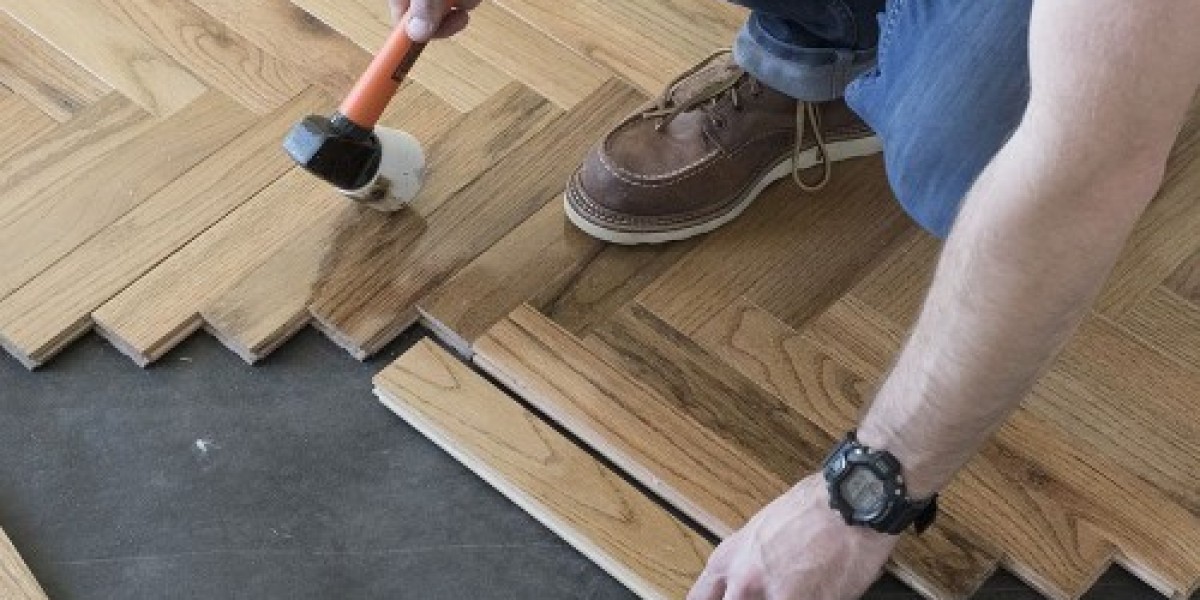
Basement flooring should be selected with the room’s conditions in mind. Materials such as luxury vinyl, tile, and certain engineered flooring products may be suitable when installed over an appropriate subfloor. Carpet can provide warmth in a dry, well-managed basement, but it may be less practical where moisture is a concern. The flooring system should account for the concrete surface, potential humidity, and intended use of the room.
Improving Lighting and Comfort
Many basements have limited natural light, which can make them feel darker than other rooms. A combination of recessed lights, wall fixtures, and task lighting can help brighten the space. Light-colored finishes and carefully placed mirrors may also make the room feel more open. Comfortable temperature control and proper ventilation are important as well, especially when the basement will be used regularly as a living area.
Understanding Permits and Building Requirements
Basement remodeling may involve requirements related to electrical work, plumbing, ceiling height, ventilation, and emergency exits. These rules can vary depending on the project and property. Homeowners should determine which permits or inspections may be required before construction begins. Addressing these requirements during planning helps prevent delays and supports a finished space that is safe and suitable for its intended purpose.
Working With a Qualified Contractor
Basement projects often involve several trades, including framing, insulation, electrical work, plumbing, and finishing. Coordinating these tasks helps keep the work organized and reduces the chance of costly mistakes. A Licensed General Contractor Near Bronx NY can help assess the project, coordinate the required work, and explain the expected sequence of construction. Homeowners should discuss the scope, schedule, materials, and responsibilities before signing an agreement.
Making Smart Use of Storage
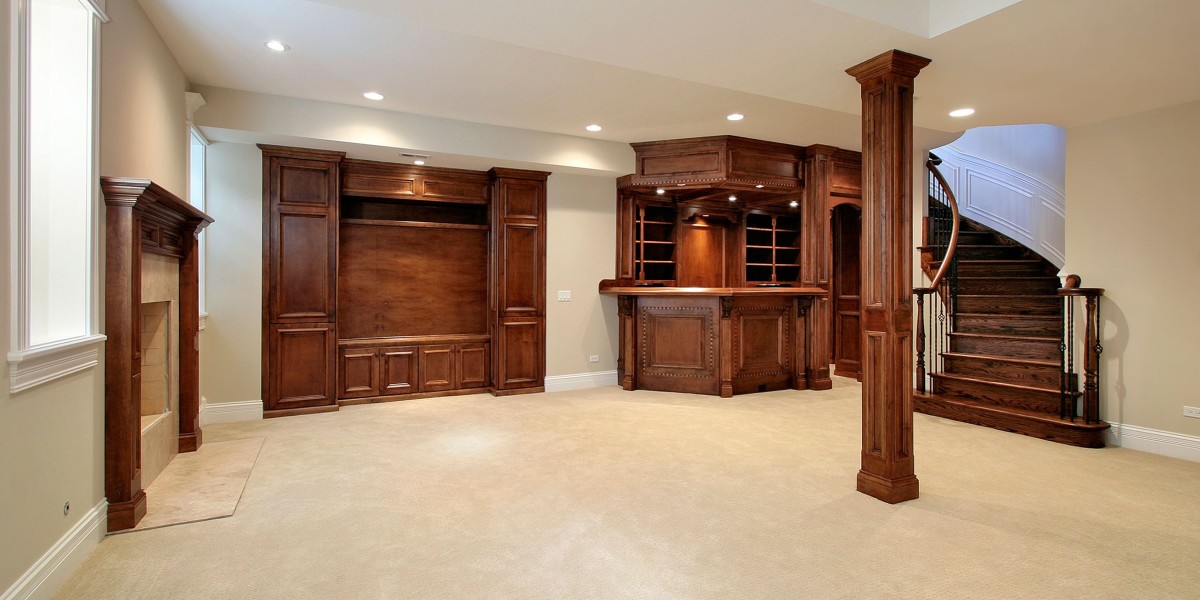
A finished basement should balance living space with practical storage. Built-in shelves, cabinets, and organized closets can keep everyday items accessible without creating clutter. Storage areas can be placed beneath stairs or along walls where they do not interfere with the main layout. It is also helpful to leave access to important utilities, shutoff valves, and equipment that may need inspection or maintenance.
Selecting Durable Wall Finishes
Basement walls should be designed to handle the environment below ground level. Moisture-aware construction methods and suitable insulation can help improve comfort and protect finishes. Materials should be chosen based on the condition of the foundation and the likelihood of humidity. Avoid covering signs of water damage before resolving the underlying cause. Proper wall preparation can help the finished basement remain attractive and functional.
Creating a Multipurpose Room
A basement can serve more than one purpose when the layout is planned carefully. For example, a family room may include a small work area, while a recreation space can provide room for exercise or hobbies. Furniture that can be moved or stored easily helps the room adapt to changing needs. Keeping the design flexible allows homeowners to make better use of the available square footage over time.
Considering Energy Efficiency
Insulation, air sealing, and efficient lighting can help make a basement more comfortable throughout the year. Proper insulation may reduce heat transfer through foundation walls, while sealing unwanted air leaks can limit drafts. Energy-efficient fixtures can also reduce electricity use. The right improvements depend on the building’s existing systems and the basement’s condition, so these details should be considered before the walls and ceilings are closed.
Reviewing the Project Before Completion
Before the remodeling work is considered complete, homeowners should review the finished space carefully. Check that doors and windows operate properly, lights and outlets function, and surfaces are clean and finished as agreed. Any required inspections should be completed, and project documentation should be retained. A final walkthrough gives the homeowner an opportunity to identify unfinished details and discuss any remaining concerns with the contractor.
Maintaining the Finished Basement
Regular care helps preserve the basement after remodeling. Keep the area clean, monitor humidity, and inspect for signs of moisture or changes in the foundation. Make sure drainage systems remain clear and that ventilation equipment operates properly. If a leak or damp spot appears, investigate it promptly rather than covering it with furniture or storage. Ongoing attention helps protect the investment and keeps the basement comfortable for everyday use.