
Maintaining Clean and Comfortable Furniture
Furniture adds comfort and style to homes and businesses, but regular use allows dust, body oils, spills, and debris to collect on its surfaces. Sofas, chairs, and other upholstered items need consistent care to maintain their appearance. Leather and fabric also require different cleaning methods because their materials respond differently to moisture and cleaning products. Understanding these differences helps prevent damage and supports better long-term furniture care.
Understanding Leather Upholstery Care
Leather furniture has a distinctive appearance, but it requires suitable cleaning methods to prevent premature wear. Property owners looking for Leather upholstery cleaning Chicago IL should understand that leather can collect body oils, dust, and everyday residue. Harsh chemicals or excessive moisture may cause discoloration, stiffness, or surface damage. The safest approach depends on the leather's finish, condition, and manufacturer care recommendations.
Recognizing Different Leather Types
Leather furniture comes in several finishes, and each has different cleaning requirements. Protected leather usually has a surface coating that provides some resistance to stains. Aniline leather is more absorbent and may show marks more easily, while semi-aniline leather combines characteristics of both. Identifying the material before cleaning helps prevent unsuitable treatments and allows the appropriate products to be selected.
Removing Everyday Dirt and Dust
Dust and loose particles often collect in furniture seams, folds, and textured areas. Regular vacuuming with a soft upholstery attachment can remove debris before it becomes embedded. For routine surface care, a clean microfiber cloth may help remove light dust. Avoid abrasive brushes and rough materials because they can scratch leather or damage delicate fabric fibers. Gentle maintenance can help furniture retain its original appearance.
Why Professional Cleaning Is Valuable
Household cleaning methods may not remove deeper buildup or difficult stains. Professional cleaners can inspect furniture, identify the material, and select an appropriate treatment. This is especially useful for delicate fabrics, expensive leather furniture, and heavily used seating. Proper techniques help reduce the risk of damage while addressing accumulated dirt. A careful assessment also helps determine whether a stain requires specialized attention.
Caring for Fabric Upholstery
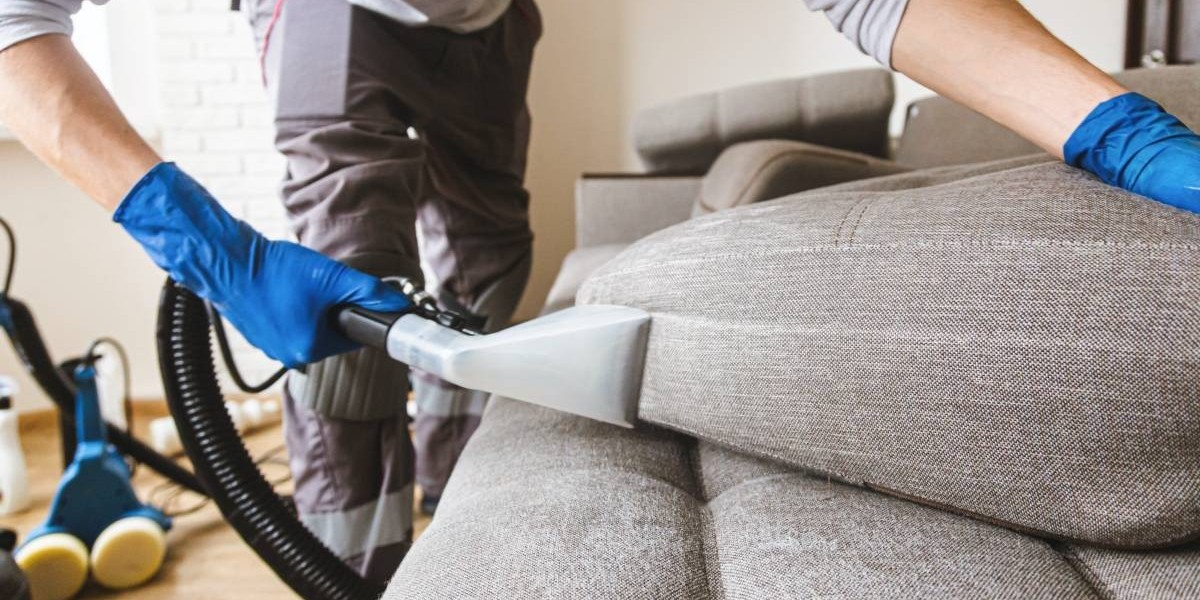
Fabric furniture can trap dust, pet hair, food particles, and other debris within its fibers. Different fabrics have different cleaning requirements, so checking manufacturer instructions is important. Some materials tolerate water-based treatments, while others require low-moisture or specialized cleaning methods. Using an unsuitable product may cause shrinking, fading, or texture changes. Testing a cleaning solution on a hidden area can help prevent unexpected results.
Keeping Carpets and Furniture Fresh
Carpets and upholstered furniture collect many of the same household contaminants. Foot traffic pushes dirt into carpet fibers, while sofas and chairs accumulate oils and dust through regular contact. Scheduling Upholstery and Carpet Cleaning can help maintain a consistent level of cleanliness throughout indoor spaces. Treating these surfaces regularly also helps address visible stains and buildup before they become more difficult to remove.
Handling Spills and Stains Properly
Spills should be addressed promptly to reduce the possibility of permanent staining. Blotting the affected area with a clean absorbent cloth is generally safer than rubbing, which may spread the substance or push it deeper into the material. Avoid applying random household chemicals because they may react with dyes or finishes. If a stain remains, professional assessment can help identify a suitable treatment.
Supporting a Cleaner Indoor Environment
Furniture and carpets can hold dust, pet dander, and other particles that affect indoor cleanliness. Regular cleaning helps reduce accumulated debris and keeps frequently used rooms fresher. This can be especially useful in homes with children, pets, or regular visitors. Although cleaning cannot eliminate every indoor pollutant, maintaining soft surfaces is a practical part of a broader household cleaning routine.
Preventing Premature Furniture Wear
Preventive care can help protect upholstery from unnecessary damage. Keep sharp objects away from delicate surfaces, avoid placing furniture in prolonged direct sunlight, and clean spills as soon as possible. Leather may benefit from a suitable conditioner when recommended for its specific finish. Fabric furniture should be protected from excessive moisture and harsh chemicals. These simple habits can help preserve furniture for longer.
Creating a Consistent Cleaning Schedule
The right cleaning frequency depends on furniture usage, household activity, and the presence of pets. Busy family rooms and commercial seating may need more attention than lightly used spaces. Regular vacuuming and gentle surface cleaning help control everyday dirt, while periodic professional treatment addresses deeper buildup. A consistent schedule also makes it easier to notice fading, loose seams, or developing stains before they worsen.
Selecting Appropriate Cleaning Techniques
Different cleaning methods serve different purposes. Steam cleaning, low-moisture treatment, and specialized leather care should not be treated as interchangeable options. The material, stain type, and overall condition determine which approach is suitable. Applying the wrong technique may leave residue, cause discoloration, or weaken certain materials. A proper inspection before treatment helps ensure that cleaning is effective without creating avoidable problems.
Preserving the Beauty of Indoor Spaces
Clean upholstery and carpets contribute to a more welcoming interior. Removing accumulated dirt improves the appearance of frequently used rooms and helps protect valuable furnishings. Combining routine maintenance with suitable professional care can keep leather, fabric, and carpet surfaces in better condition. With the right cleaning methods and consistent attention, furniture can remain attractive, comfortable, and useful for many years.