
Making Your Next Move More Organized
Moving to a new home involves many details, from preparing belongings to arranging transportation and settling into another space. Without a clear plan, even a nearby relocation can become stressful. Creating a schedule, sorting household items, and preparing essential supplies can make the process easier to manage. Taking time to organize each stage helps reduce last-minute problems and keeps the move on track.
Finding the Right Moving Assistance
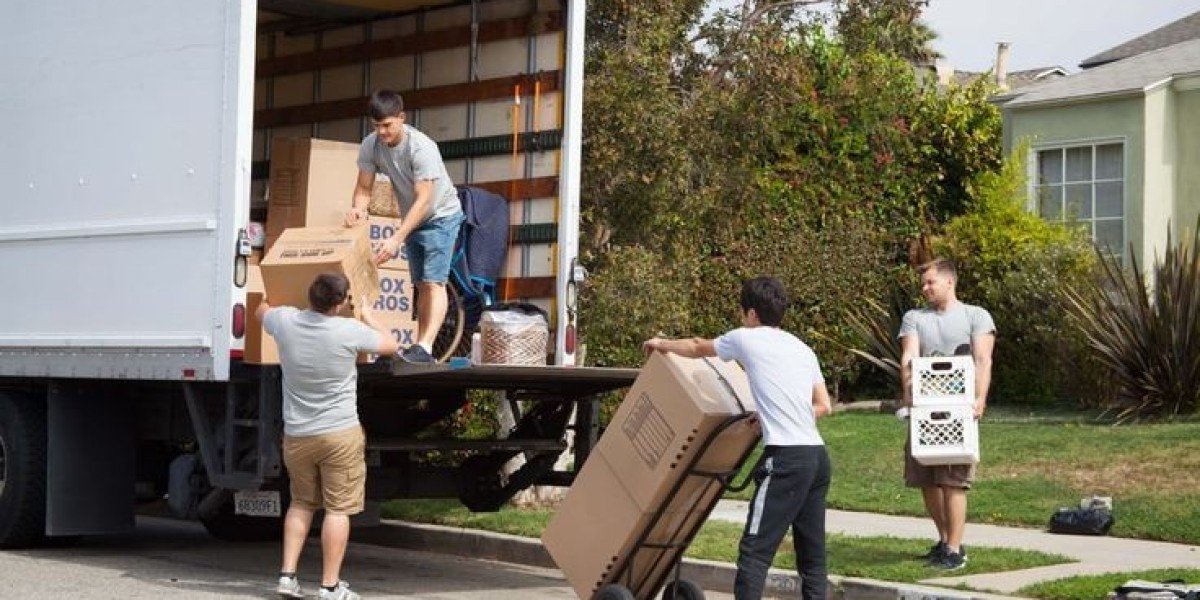
Choosing dependable help can make a significant difference during a household relocation. People searching for a Local Moving Company in Brooklyn NY should consider the size of their move, the services required, and the experience of the moving team. It is useful to discuss scheduling, transportation, packing needs, and any special handling requirements in advance. Clear expectations can help prevent misunderstandings on moving day.
Creating a Practical Moving Checklist
A checklist helps divide a large relocation into smaller, manageable tasks. Start by listing important responsibilities, such as arranging movers, gathering packing materials, notifying service providers, and updating your address. Assign deadlines to important tasks so nothing is overlooked. Keep the checklist somewhere accessible and update it as each responsibility is completed. This simple habit can make preparation more organized.
Sorting Belongings Before Packing
Moving provides an opportunity to review household belongings and decide what should be taken to the new home. Separate items into categories such as keep, donate, sell, and discard. Reducing unnecessary possessions can lower the number of boxes and make unpacking easier. It also helps create a more organized living environment after arrival. Begin sorting early rather than leaving the entire task until moving week.
Packing Household Items Safely
Different belongings need different packing methods. Use sturdy boxes for everyday items, protective wrapping for fragile objects, and suitable containers for heavier belongings. Avoid filling boxes beyond a manageable weight, and place heavier items at the bottom when appropriate. Wrap dishes, glassware, and decorations individually to reduce movement during transportation. Careful packing helps protect possessions and makes handling easier.
Labeling Boxes for Easier Unpacking
Clear labels can save considerable time after reaching the new home. Mark each box with its destination room and a brief description of its contents. Fragile containers should be identified so they receive appropriate attention. Keeping an inventory of packed boxes can also help track belongings during loading and unloading. An organized labeling system makes it easier to locate essential items without opening every container.
Preparing Furniture for Transportation
Large furniture pieces may need preparation before they can be moved safely. Remove loose shelves, empty drawers, and secure doors where possible. Some items may need partial disassembly to fit through narrow hallways or doorways. Keep screws and small hardware in labeled bags so they can be found during reassembly. Protective blankets and wrapping can help reduce scratches, dents, and other transportation damage.
Planning Around Brooklyn's Moving Conditions
Moving in a busy urban area can require additional coordination. Narrow streets, limited parking, apartment access, elevators, and building rules may affect the schedule. Residents should check whether their building requires advance moving reservations or certificates of insurance. It is also helpful to discuss loading arrangements and access restrictions with the moving team. Preparing for these conditions can help avoid unnecessary delays.
Keeping Important Items Accessible
Some belongings should remain separate from general moving boxes. Identification documents, medication, chargers, valuables, important paperwork, and basic toiletries are useful examples. Pack these essentials in a clearly marked personal bag that stays accessible throughout the move. Having everyday necessities nearby can make the first evening in a new home more comfortable, especially when most other belongings are still packed.
Confirming Moving Day Details
Before moving day, review the agreed schedule, service arrangements, and transportation details. Confirm the pickup and delivery addresses, building access, and any special instructions. Make sure walkways are clear and that boxes are ready for loading. Keeping communication open helps everyone understand the plan. A final review can reduce confusion and make the moving process more predictable.
Checking Belongings After Delivery
Once belongings arrive, compare the delivered items with your inventory and inspect furniture and fragile possessions for visible damage. Direct boxes to their designated rooms instead of creating piles in common areas. Report any concerns promptly and keep relevant moving documents available. Taking a little time to check everything helps identify missing or damaged belongings before unpacking is fully underway.
Settling Into Your New Home
Unpacking becomes easier when it follows a sensible order. Start with bedding, kitchen essentials, bathroom supplies, and other items needed for daily routines. Arrange larger furniture before opening less important boxes so rooms can take shape gradually. Dispose of packing materials as you go to prevent clutter. A steady approach helps transform an unfamiliar space into a comfortable home.
Making Relocation a Better Experience
A successful household move depends on preparation, communication, and careful handling. Sorting belongings, using suitable packing materials, planning building access, and confirming transportation details can prevent many common problems. Giving each stage enough attention helps protect household possessions and reduces unnecessary pressure. With an organized approach, moving to a new home can become a more manageable transition.