
Understanding the Importance of Trailer Maintenance
Trailers are used for transporting equipment, materials, vehicles, and other valuable loads. Regular use, road conditions, weather exposure, and heavy weight can gradually affect their components. Without proper maintenance, small mechanical problems may develop into costly repairs or create safety concerns. Routine inspections and timely servicing help keep a trailer dependable and ready for its intended purpose.
Recognizing When Professional Maintenance Is Needed
Trailer Maintenance Services in Bel Aire KS can help owners address wear, damage, and performance issues before they become more serious. Maintenance may involve checking tires, brakes, lights, suspension components, couplers, and structural connections. The exact requirements depend on the trailer's design and usage. Regular attention helps identify developing problems and supports safer operation during transportation.
Inspecting Tires and Wheels
Trailer tires carry the weight of the load and experience continuous pressure during travel. Owners should check tire pressure, tread depth, sidewalls, and visible signs of damage before taking a trip. Uneven wear may indicate alignment or suspension concerns, while cracks and bulges can suggest tire deterioration. Wheel nuts should also be inspected according to the manufacturer's maintenance recommendations.
Checking the Braking System
A trailer's braking system plays an important role in controlling movement and stopping safely. Depending on the design, components may include brake drums, pads, electrical connections, and breakaway systems. Worn parts, damaged wiring, or poor adjustment can affect braking performance. Regular inspections help identify problems early and ensure that the braking system operates as intended.
Maintaining Trailer Lights and Electrical Connections
Working lights are essential for visibility and communication with other drivers. Owners should regularly test brake lights, turn signals, running lights, and marker lights. Corroded connectors, damaged wiring, and loose connections can cause intermittent electrical problems. Keeping connections clean and protected helps maintain dependable operation, particularly when trailers are frequently exposed to rain, road debris, and outdoor storage conditions.
Examining the Frame and Structural Components
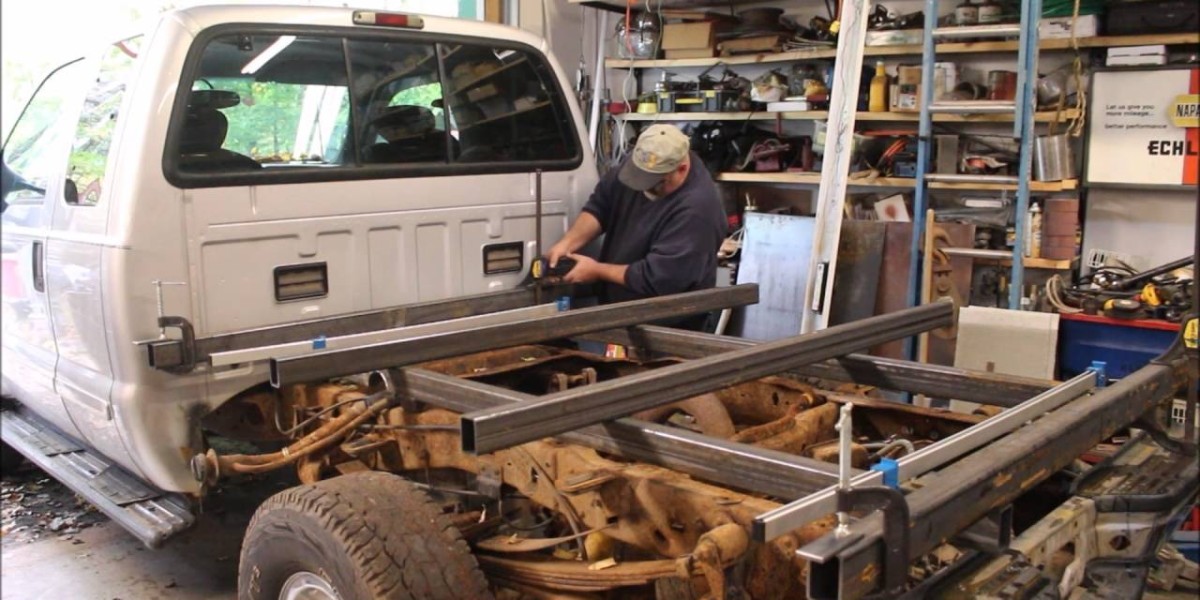
The trailer frame supports the load and connects several important components. Cracks, corrosion, bent sections, and damaged welds may weaken its structural condition. Owners should also inspect crossmembers, attachment points, and areas around the suspension. Structural concerns should be evaluated by qualified professionals because repairs must account for the trailer's design, intended load, and safety requirements.
Finding Suitable Repair and Fabrication Assistance
Choosing Welding Services Bel Aire KS may be helpful when trailer maintenance involves damaged metal components or fabrication work. Depending on the provider's qualifications, welding may be required for certain frame repairs, brackets, supports, gates, or other metal sections. The damaged area should be evaluated before work begins to determine whether welding is appropriate and whether the repair meets applicable safety requirements.
Inspecting the Hitch and Coupling System
The hitch and coupler keep the trailer securely connected to the towing vehicle. These components should be checked for excessive wear, cracks, corrosion, and proper locking operation. Safety chains should also be inspected for damage and attached correctly before travel. A poorly secured connection can create serious road hazards, so any concerns should be addressed before the trailer is used.
Paying Attention to Suspension and Bearings
Suspension components help support the trailer and manage movement over uneven roads. Worn springs, damaged hangers, loose hardware, and deteriorating bushings can affect stability and tire wear. Wheel bearings also require attention because inadequate lubrication or excessive wear can lead to overheating and failure. Following the manufacturer's inspection and lubrication schedule helps maintain these important components.
Preparing a Trailer for Heavy Loads
Before loading a trailer, owners should confirm that the cargo weight stays within the manufacturer's specified limits. Weight should be distributed appropriately to maintain balance and suitable tongue weight. Heavy items should be secured with appropriate straps or restraints to prevent movement during travel. Proper loading reduces unnecessary stress on the frame, tires, suspension, and towing vehicle.
Preventing Rust and Corrosion
Metal trailer components can deteriorate when exposed to moisture, road salt, chemicals, and outdoor conditions. Washing away accumulated dirt and debris can help reduce corrosion, especially around joints and underneath the frame. Damaged paint or protective coatings should be addressed when appropriate. Regular cleaning and inspection can help owners identify corrosion before it affects important structural areas.
Keeping Maintenance Records
Maintaining service records makes it easier to track inspections, repairs, replacement parts, and recurring concerns. Owners should record important details such as tire changes, brake servicing, bearing maintenance, and structural repairs. These records can support future maintenance planning and help professionals understand the trailer's history. Consistent documentation is especially useful for trailers that are used frequently or carry demanding loads.
Making Trailer Maintenance a Regular Priority
A dependable trailer requires attention to both mechanical and structural components. Checking tires, brakes, lighting, connections, suspension, and the frame can help identify problems before they interrupt transportation. Combining routine inspections with timely professional repairs supports safer operation and helps protect the trailer's long-term condition. A consistent maintenance approach keeps equipment more reliable and ready for everyday hauling needs.