
Recognizing the Importance of Bee Management
Bees play an important role in the environment by pollinating flowering plants, gardens, and many agricultural crops. However, when a colony establishes itself near a doorway, roofline, wall cavity, or frequently used outdoor area, it can create safety concerns. Understanding how to handle an unwanted colony helps property owners protect people while considering the importance of these beneficial insects.
Knowing When Professional Removal Is Necessary
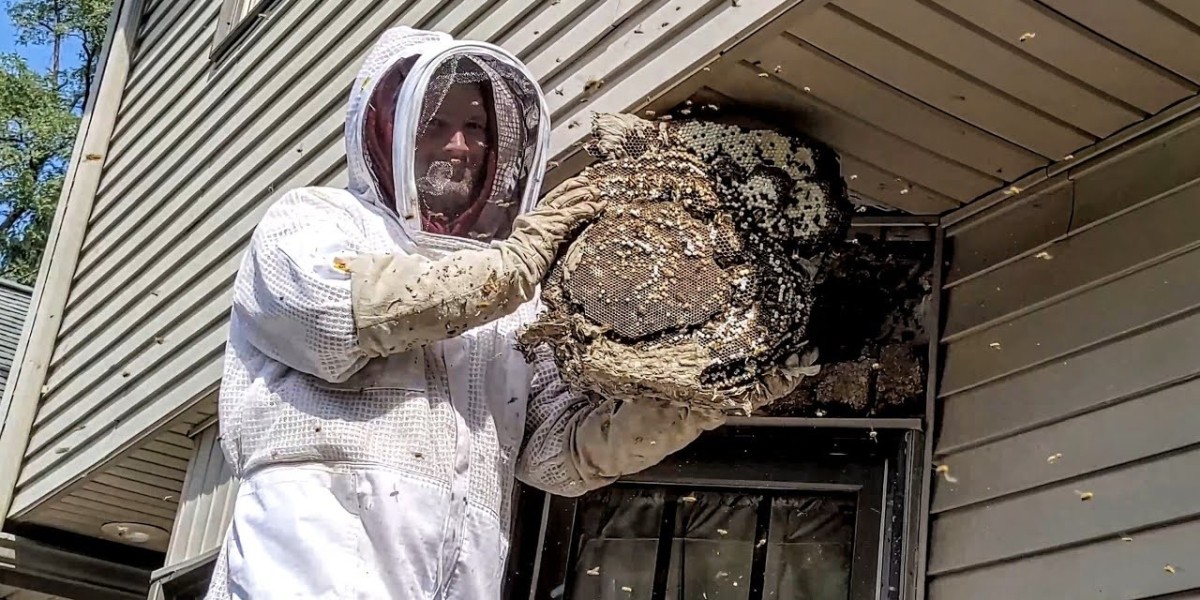
Bee Removal and Relocation Services in Upland CA can help property owners address colonies that have settled in inconvenient or potentially hazardous locations. Bees may build nests inside wall openings, roof spaces, sheds, trees, and other sheltered areas. Professional assessment helps determine the colony's location, the level of activity, and the most suitable approach for managing the situation safely.
Understanding Why Bees Choose Certain Locations
Bees generally look for sheltered spaces that offer protection from weather and outside disturbances. Wall cavities, hollow trees, roof overhangs, and unused structures can provide suitable nesting environments. Nearby flowering plants and accessible water sources may also make a property attractive. Understanding these conditions helps explain why colonies sometimes appear around homes and commercial buildings.
Recognizing Signs of a Hidden Colony
Not every bee colony is immediately visible. Repeated bee activity around a particular opening, buzzing sounds inside a wall, or insects entering and leaving the same location may indicate a nearby nest. In some cases, homeowners may notice small amounts of wax or honey near an opening. These signs should be evaluated carefully rather than disturbing the suspected nesting area.
Avoiding Unsafe Removal Attempts
Trying to remove a colony without suitable knowledge and equipment can create unnecessary risks. Spraying household chemicals, blocking an active entrance, or striking a nest may disturb the bees and increase defensive behavior. Property owners should keep children and pets away from the area and avoid unnecessary activity nearby. Professional evaluation is generally the safer approach when a colony needs attention.
Understanding the Relocation Process
Relocation may involve locating the colony, assessing the nesting structure, and determining whether the bees can be safely transferred. The method depends on the colony's location, accessibility, and condition. In some situations, removing bees from a building may also require addressing comb and honey left behind. Proper handling helps reduce the likelihood of recurring activity in the same location.
Choosing Appropriate Property Protection
Seeking Pest Control Services in Upland CA can help property owners address different unwanted pest concerns around residential and commercial spaces. Depending on the provider's qualifications, assistance may include inspections, identification, treatment recommendations, and preventive measures. When dealing with bees, it is important to ask whether the provider offers live removal or relocation and how the colony will be handled.
Protecting the Property After Removal
Removing visible bees does not always resolve every issue associated with an established colony. Remaining honeycomb, wax, and other materials may attract ants, rodents, or other insects if left inside a structure. Accessible openings should be repaired after the area has been properly cleared. Addressing the original entry point helps reduce the possibility of another colony settling in the same location.
Reducing Conditions That Attract Bee Activity
Property owners can take practical steps to make unwanted nesting less likely. Repairing gaps around rooflines, walls, sheds, and exterior structures can limit access to sheltered spaces. Outdoor areas should also be kept in good condition, with unused equipment and materials removed when they provide potential nesting sites. These steps do not eliminate all bee activity but can reduce suitable nesting opportunities.
Maintaining Outdoor Areas Responsibly
Gardens and landscaped spaces naturally attract pollinators, so preventing every bee from visiting a property is neither practical nor necessary. Instead, homeowners should focus on managing nesting in locations where regular human activity creates safety concerns. Keeping outdoor seating areas clear, checking sheds periodically, and monitoring building openings can help identify potential problems before they become more difficult to address.
Understanding the Value of Professional Inspections
A professional inspection can help distinguish between a temporary gathering of bees and an established colony. This difference matters because the appropriate response may vary. Swarming bees, for example, may be temporarily resting while searching for a new nesting location. A knowledgeable professional can assess the situation and recommend a suitable response without unnecessary disturbance.
Knowing What to Do After a Bee Encounter
If someone experiences a bee sting, they should move away from the area and avoid disturbing the colony further. Anyone who develops difficulty breathing, swelling of the tongue or throat, dizziness, or other signs of a severe allergic reaction needs emergency medical attention. Keeping a safe distance from an active nest helps reduce the possibility of additional encounters.
Supporting Safe and Responsible Bee Management
Managing an unwanted colony requires a balance between property protection and environmental responsibility. Recognizing nesting signs, avoiding unsafe removal attempts, and choosing qualified assistance can make the process more manageable. After removal, repairing access points and maintaining outdoor structures helps discourage future nesting. A thoughtful approach protects household spaces while respecting the valuable role bees play in the surrounding environment.