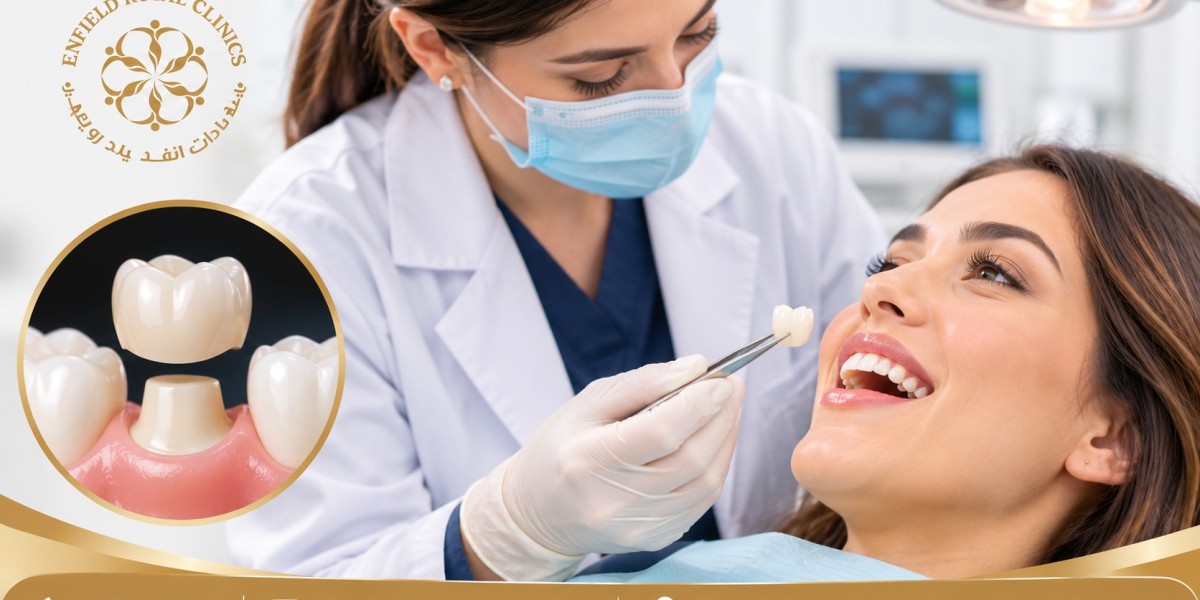

Weak or damaged teeth can affect much more than the appearance of a smile. They may cause discomfort while chewing, sensitivity to hot and cold foods, and difficulty biting certain types of food. When a tooth loses its natural strength because of decay, cracks, large fillings, or previous dental procedures, it may become more vulnerable to further damage. Dental crown treatment offers a practical way to restore and protect such teeth.
Dental Crown Treatment in Islamabad helps patients preserve weakened teeth by covering them with a specially designed cap that restores their shape, function, and strength. A dental crown can provide an additional protective layer around the remaining tooth structure, making everyday activities such as eating and speaking more comfortable. However, the right treatment depends on the condition of the tooth and the amount of healthy structure that remains.
What Is Dental Crown Treatment?
A dental crown is a custom-made covering placed over a damaged or weakened tooth. It fits over the visible portion of the tooth and helps restore its original shape, size, and appearance. The crown also provides support to the remaining tooth structure, reducing the risk of further damage during normal biting and chewing.
Crowns are made from different materials, including porcelain, zirconia, metal, and porcelain-fused-to-metal. Each material has different qualities in terms of strength, appearance, and durability. The appropriate option depends on the location of the tooth, the patient's dental needs, and aesthetic preferences.
Dental crowns are commonly recommended for teeth that have extensive decay, large fillings, cracks, or significant wear. They may also be used after root canal treatment when the remaining tooth structure needs additional support.
Why Do Teeth Become Weak or Damaged?
Teeth are naturally strong, but several factors can gradually reduce their strength. When the protective enamel or internal tooth structure becomes damaged, the tooth may become more likely to crack, break, or develop sensitivity.
Common causes of weak teeth include:
Extensive tooth decay: Untreated cavities can destroy significant portions of a tooth, leaving it structurally weak.
Large fillings: A tooth with a large filling may have less natural structure available to support everyday biting pressure.
Cracks and fractures: Small cracks can develop into larger fractures if the affected tooth continues to experience pressure.
Root canal treatment: A tooth that has undergone root canal treatment may require a crown when substantial structure has been lost.
Teeth grinding: Repeated grinding or clenching can wear down enamel and increase the risk of cracks.
Physical injuries: Accidents or direct impact can damage the tooth and make it difficult to chew comfortably.
A dental examination helps identify the underlying problem and determine whether a crown is an appropriate solution.
How Can Dental Crown Treatment Protect Weak Teeth?
The main purpose of a dental crown is to cover and support a damaged tooth. By surrounding the remaining visible structure, it helps distribute biting pressure and protects vulnerable areas from everyday chewing forces.
One important benefit is a reduced risk of further cracking in teeth that are suitable for crown restoration. A weakened tooth may struggle to withstand pressure from hard or crunchy foods. A properly fitted crown can provide additional support and help the tooth function more effectively.
Dental crowns also restore the tooth's shape. When a large portion of the natural tooth has been lost, chewing can become uncomfortable or uneven. A crown rebuilds the missing visible structure and helps restore a more balanced bite.
Another benefit is protection against additional wear. A damaged tooth may have exposed areas that are more sensitive or vulnerable to further deterioration. Covering the tooth can help protect the remaining structure, although any active decay or gum disease must also be treated.
For patients seeking Dental Crown Treatment in Islamabad, the goal is not simply to improve appearance. It is also to preserve a natural tooth when possible and support its long-term function.
What Types of Dental Crowns Are Available?
Different crown materials offer different advantages. The choice depends on the tooth's position, the amount of pressure it receives during chewing, and the patient's preferences.
Porcelain Crowns: Porcelain crowns are designed to resemble natural teeth. Their tooth-like appearance makes them a popular choice for visible front teeth, where aesthetics are an important consideration.
Zirconia Crowns: Zirconia is a strong ceramic material that offers a combination of durability and natural-looking appearance. It may be suitable for both front and back teeth, depending on the patient's needs.
Metal Crowns: Metal crowns are known for their strength and resistance to wear. They may be considered for back teeth because they can withstand substantial chewing pressure. Their metallic appearance makes them less suitable for patients who prefer a natural-looking restoration.
Porcelain-Fused-to-Metal Crowns: These crowns combine a metal base with a porcelain outer layer. They offer structural support while providing a more natural appearance than fully metallic crowns.
A dental professional can explain the advantages and limitations of each option before recommending a suitable material.
What Happens During the Dental Crown Procedure?
Dental crown treatment generally involves several steps. The exact process may vary depending on the tooth's condition and whether additional treatment is required.
1. Dental Examination: The process begins with an examination of the affected tooth. The dentist may take dental X-rays to assess the tooth roots, surrounding bone, and extent of damage. This helps determine whether the tooth can be restored with a crown.
2. Tooth Preparation: If a crown is suitable, the tooth is carefully reshaped to create enough space for the restoration. Local anaesthesia is commonly used to keep the patient comfortable during this step. Any decay or damaged structure that needs treatment is addressed.
3. Dental Impressions or Digital Scanning: The dentist records the shape of the prepared tooth using an impression or digital scan. This information helps create a crown that fits the tooth and aligns properly with the surrounding teeth.
4. Temporary Crown: A temporary crown may be placed to protect the prepared tooth while the permanent restoration is being made.
5. Permanent Crown Placement: Once the final crown is ready, the dentist checks its fit, colour, and bite alignment. After any necessary adjustments, it is securely placed over the prepared tooth.
A proper fit is important because an incorrectly fitted crown may cause discomfort, bite problems, or difficulties with cleaning.
How Can Patients Care for Their Dental Crowns?
Good oral hygiene is essential for maintaining both the crown and the natural tooth underneath it. Although the crown itself cannot develop a cavity, the underlying tooth can still experience decay, particularly near the crown's edges.
Patients can support their dental health by brushing twice daily with fluoride toothpaste and cleaning between their teeth every day. Flossing around the crowned tooth helps remove food particles and plaque that can collect near the gumline.
It is also sensible to avoid biting ice, hard candies, and other extremely hard objects. Patients who grind or clench their teeth may benefit from discussing a custom night guard with their dentist.
Regular dental checkups allow the dentist to assess the crown, surrounding gums, and bite. Any looseness, discomfort, sensitivity, or damage should be checked rather than ignored.
Dental Crown Treatment in Islamabad can help restore weak teeth, but its long-term success also depends on proper placement, good oral hygiene, and routine dental care.
For more information visit Enfield royal clinic in islamabad
Frequently Asked Questions
1. Can dental crowns protect severely weakened teeth?
Yes, a crown can provide additional support to a severely weakened tooth when enough healthy structure remains for a stable restoration. A dental examination is necessary to determine whether the tooth can be saved.
2. Is dental crown treatment painful?
The procedure is generally performed using local anaesthesia, which helps prevent pain during tooth preparation. Some mild sensitivity or discomfort may occur afterward, but it usually improves as the tooth adjusts.
3. How long does a dental crown last?
Many dental crowns last around 5 to 15 years, and some last longer. Their lifespan depends on the material, fit, oral hygiene, chewing habits, and regular dental care.
4. Can a crown prevent a weak tooth from breaking?
A properly fitted crown can reduce the risk of further damage by covering and supporting the remaining tooth structure. However, no crown can guarantee complete protection against every fracture.
5. Are dental crowns suitable for front teeth?
Yes. Porcelain and certain zirconia crowns can provide a natural-looking result for front teeth. The choice depends on the tooth's condition and the desired appearance.
6. Can patients eat normally after getting a dental crown?
After the permanent crown has been placed and any numbness has worn off, patients can usually return to normal eating habits. Avoiding very hard foods and maintaining good oral hygiene can help protect the restoration.
Conclusion
Weak teeth need proper attention because untreated damage may lead to fractures, discomfort, and further dental complications. Dental crowns offer a way to cover vulnerable teeth, restore their shape, improve chewing function, and protect the remaining natural structure. With suitable material selection, careful placement, and consistent oral hygiene, a crown can provide long-lasting support.
Dental Crown Treatment in Islamabad can be a useful option for patients who want to preserve damaged teeth and maintain a healthy smile. A professional dental assessment helps determine whether a crown is the right solution or whether another treatment would provide better results.