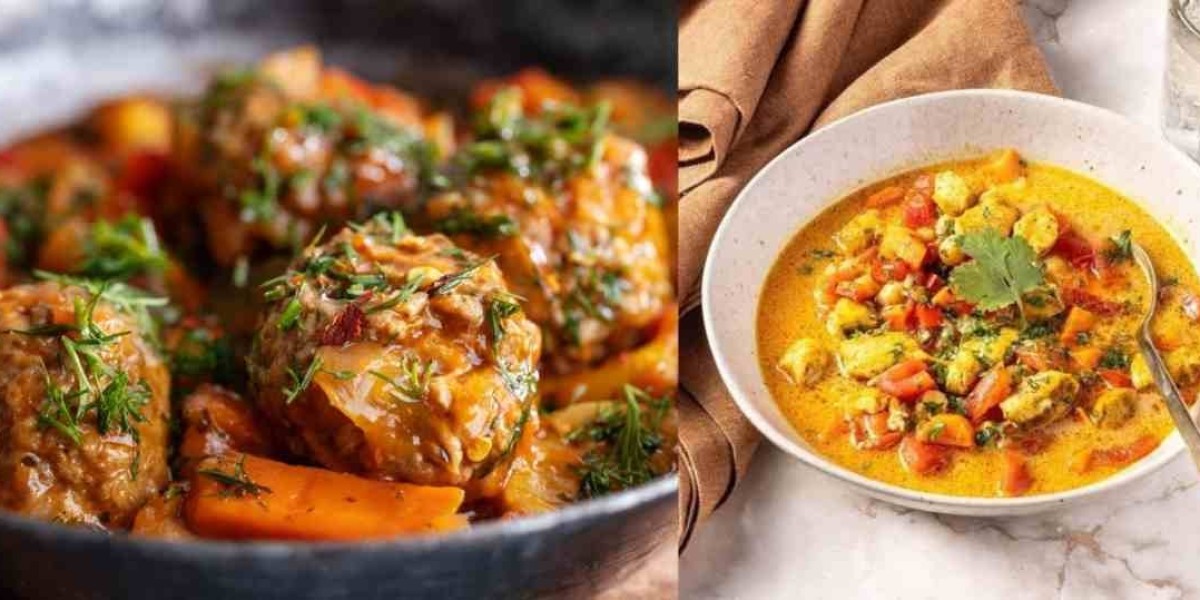

You have chicken in the fridge, a pot on the stove, and one question: stew or curry? They look similar in the bowl. Both are saucy, both are comforting, and both taste great over rice. But the two dishes differ in flavor, technique, and feel.
Here is the short answer. A chicken stew is a slow-simmered dish built on a savory, tomato-, broth-, or vegetable-based gravy with mild seasoning, so it tastes rounded and hearty. A chicken curry is built on a layered spice base, usually with onions, garlic, ginger, and a signature spice blend, so it tastes bold, aromatic, and often spicy.
The rest of this guide goes deeper into Chicken Stew vs Chicken Curry so you can choose with confidence. We cover origins, ingredients, technique, nutrition, cost, regional styles, and common mistakes, and we end with a quick FAQ.
Chicken Stew vs Chicken Curry at a Glance
For readers who want the snapshot first:
Flavor: Stew is savory and mellow. Curry is spiced, aromatic, and deeper.
Base: Stew usually uses tomato, stock, or vegetables. Curry uses an onion-ginger-garlic-spice base, often with tomato, yogurt, or coconut milk.
Spices: Stew uses light seasoning such as thyme, bay leaf, pepper, and paprika. Curry uses turmeric, cumin, coriander, garam masala, and chili.
Texture: Stew is thinner and brothy, with soft vegetables. Curry is thicker and clings to the meat.
Best for: Stew suits mild palates, kids, and cold evenings. Curry suits people who love bold flavor.
What Is Chicken Stew?
Chicken stew is one of the oldest comfort foods. Cooks around the world have made it the same way for generations: chicken pieces, vegetables, and liquid simmered gently until everything is tender and the broth becomes rich.
The Core Idea Behind a Chicken Stew
A stew is defined by method more than by spice. You brown the chicken, soften aromatics, add liquid, and let everything cook low and slow. The chicken flavors the broth, and the broth flavors the vegetables.
Common Ingredients in Chicken Stew
Chicken thighs, drumsticks, or a whole cut-up bird
Onions, garlic, and sometimes celery
Carrots, potatoes, peas, or green beans
Tomatoes or tomato paste
Chicken stock or water
Herbs such as thyme, parsley, and bay leaf
Salt, black pepper, and mild paprika
What Chicken Stew Tastes Like
Think savory, gently sweet from the vegetables, and slightly tangy if tomatoes are involved. The flavor is warm and familiar, which makes it a family favorite.
A Taste of African-Style Chicken Stew
Stews vary a lot from culture to culture. In many East African homes, chicken stew is cooked with fresh tomatoes, onions, and simple seasoning until it turns into a rich, glossy gravy. If you want to see that style in action, try our East African chicken stew recipe for a full, step-by-step walkthrough.
What Is Chicken Curry?
Chicken curry is a spiced dish that started in South Asia and has since spread everywhere, with local versions in Thailand, Japan, the Caribbean, East Africa, and beyond.
The Core Idea Behind a Chicken Curry
Curry depends on building layers of spice. The cook usually starts by blooming whole or ground spices in hot oil or ghee. Then come the onions, ginger, and garlic, cooked until deeply golden. Only after that does the chicken go in with tomato, yogurt, or coconut milk. The result is a sauce with real depth.
Common Ingredients in Chicken Curry
Chicken, bone-in or boneless
Onions, ginger, garlic, and green chilies
Turmeric, cumin, coriander, and chili powder
Garam masala or a curry powder blend
Tomatoes, yogurt, coconut milk, or cream
Fresh cilantro and lemon or lime to finish
Oil or ghee
What Chicken Curry Tastes Like
Curry is aromatic, warm, and layered. Depending on the recipe, it can be creamy and mild, tangy and fiery, or rich and buttery. Spice level is adjustable, but the spice character is always the star.
Chicken Stew vs Chicken Curry: Side-by-Side Comparison
Here is a clear look at how the two dishes compare across the categories that matter most.
Feature | Chicken Stew | Chicken Curry |
Flavor profile | Savory, mellow, rounded | Bold, aromatic, spiced |
Primary flavor source | Chicken, vegetables, broth | Spice blend, aromatics |
Typical spices | Thyme, bay leaf, pepper, paprika | Turmeric, cumin, coriander, garam masala, chili |
Liquid base | Stock, water, tomato | Tomato, yogurt, coconut milk, cream |
Consistency | Thinner, brothy | Thicker, clingy sauce |
Vegetables | Plenty (carrots, potatoes, peas) | Fewer, or none |
Cooking style | Slow simmer | Sauté, bloom spices, then simmer |
Heat level | Usually mild | Mild to very hot |
Best served with | Bread, rice, ugali, mashed potatoes | Rice, naan, chapati, roti |
The Simplest Way to Remember It
Ask yourself one question: is the sauce coming from the chicken and vegetables, or from the spices? If it comes from the chicken and vegetables, you are making a stew. If it comes from the spices, you are making a curry.
Cooking Technique: How the Methods Differ
You can put the same chicken in both pots, but the process changes the result.
How to Cook a Chicken Stew
Season the chicken and brown it lightly in a heavy pot.
Remove the chicken and soften onions, garlic, and other aromatics.
Add tomato paste or chopped tomatoes and cook them down briefly.
Return the chicken and add stock and hardy vegetables.
Cover and simmer gently until the chicken is tender and the sauce has thickened slightly.
Stew forgives you. If it simmers ten minutes longer, nothing bad happens. It usually just tastes better.
How to Cook a Chicken Curry
Heat oil or ghee and bloom whole or ground spices for about 30 to 60 seconds.
Cook onions until deeply golden, then add ginger and garlic.
Add tomatoes, yogurt, or coconut milk and cook until the oil starts to separate.
Add the chicken and coat it well in the masala.
Simmer until the chicken is cooked and the sauce is thick and glossy.
Finish with garam masala, fresh herbs, and a squeeze of lemon.
Curry rewards patience at the early stage. Rushing the onions or the spices leaves the dish tasting raw or flat.
Ingredients and Spices: Where the Real Divide Lives
Spice Blends
Stew relies on herbs and mild seasoning. Curry relies on spice layering, where different spices are added at different stages so the flavors stack rather than blur.
Aromatics
Both dishes use onion and garlic. Curry almost always adds fresh ginger and often green chilies too. Stew may add celery, leeks, or bell pepper instead.
The Liquid
Stew liquid: stock, water, tomatoes, or a mix
Curry liquid: coconut milk, yogurt, cream, or tomato puree, often cooked down to a thick masala
Vegetables
A stew is often a one-pot meal because it carries carrots, potatoes, and peas. A curry may be served with rice or bread on the side, with fewer vegetables in the pot itself.
Texture and Consistency
Stew has a looser, brothy body and soft, tender vegetables. You can eat it with a spoon, or with bread to mop up the gravy.
Curry sauce is usually thicker and more concentrated, coating each piece of chicken. It is scooped up with rice or flatbread.
If you are comparing Chicken Curry vs Stew for a specific meal, remember that curry pairs best with something that soaks up sauce, while stew is happy as a bowl on its own.
Is It Chicken Stew or Chicken Soup?
People often confuse stew with soup. The main difference is the amount of liquid and how much solid food sits in the pot. Soup has more broth and smaller pieces. Stew has less liquid and larger, chunkier ingredients. If you want a lighter, more brothy option, our simple and delicious chicken soup is a good place to start.
Nutrition and Health: Stew vs Curry
Neither dish is automatically healthier. It all depends on ingredients and portion size.
Where Chicken Stew Tends to Shine
Often lower in added fat, since it relies on broth and vegetables
Packed with vegetable fiber, vitamins, and minerals
Easy to make lower in sodium by using low-sodium stock
Where Chicken Curry Tends to Shine
Spices like turmeric, ginger, and garlic are traditionally valued in cooking for their flavor and long culinary history
Tomato-based and yogurt-based versions can be moderate in calories
Bold flavor makes small portions of sauce satisfying
Watch-Outs for Both
Cream, coconut milk, and ghee raise calories and saturated fat in curry
Store-bought stock cubes and curry pastes can add lots of sodium
Skin-on, bone-in chicken adds richness and fat compared with skinless breast
For a proper breakdown of calories, protein, and macros, see our guide to chicken stew nutrition facts. Nutrition values vary with ingredients, so treat any numbers as estimates, and talk with a registered dietitian if you have specific dietary needs.
Making Either Dish Lighter
Use skinless thighs or breast and trim visible fat
Swap cream for plain yogurt or reduced-fat coconut milk
Add more vegetables to stretch the portions
Season with fresh herbs and spices before reaching for extra salt
Cost, Time, and Difficulty
Budget
Both are budget-friendly. Stew can be very cheap if you use seasonal vegetables and cheaper cuts like thighs and drumsticks. Curry may need a well-stocked spice cabinet, but spices last a long time and go a long way.
Time
Stew: about 45 to 75 minutes, mostly hands-off simmering
Curry: about 40 to 60 minutes, with more attention at the beginning
Skill Level
Stew is the easier beginner dish, since the steps are simple and it forgives mistakes. Curry takes slightly more practice with spice timing but is very achievable once you know the rhythm.
Which Should You Cook Tonight? Chicken Stew or Chicken Curry
Use this quick decision guide.
Choose Chicken Stew If:
You are cooking for kids or people who dislike spice
You want a one-pot meal with vegetables included
It is cold outside and you want something cozy
You want an easy, forgiving recipe
Choose Chicken Curry If:
You love bold, layered flavors
You have rice or flatbread ready
You want leftovers that taste even better tomorrow
You enjoy playing with heat and spice levels
Can You Combine Them?
Yes. Many home cooks make what is essentially a spiced stew, adding a spoonful of curry powder or a pinch of turmeric and cumin to a vegetable-rich chicken pot. That gives you the comfort of stew with a hint of curry warmth. It is a great compromise if the household is divided on Chicken Stew or Curry.
Regional Styles Worth Knowing
Stew Around the World
East African: tomato-and-onion based, simple seasoning, served with rice, ugali, or chapati
West African: rich red stews built on tomatoes, peppers, and onions
Caribbean: brown stew chicken, with browned sugar and thyme
European: chicken with root vegetables, herbs, and wine or stock
Curry Around the World
Indian: from creamy butter chicken to sharp, tangy onion-tomato curries
Thai: coconut-based, with lemongrass, galangal, and chilies
Japanese: mild, slightly sweet curry roux served over rice
Caribbean: curry powder with scotch bonnet heat and potatoes
These overlaps explain why the line between the two can blur. A Caribbean curry with potatoes and thyme eats a lot like a stew, and a spiced East African stew can lean toward a curry.
What to Serve with Each Dish
With Chicken Stew
Steamed white rice or jollof-style rice
Crusty bread or dinner rolls
Mashed potatoes or ugali
A crisp green salad
With Chicken Curry
Basmati or jasmine rice
Naan, chapati, or roti
Cucumber raita or a simple yogurt side
Pickled onions or a lemon wedge for brightness
Common Mistakes to Avoid
Overcrowding the pan when browning, which steams the chicken instead of searing it
Adding all vegetables at once in stew, which turns delicate ones to mush
Burning garlic or spices in curry, which makes the whole dish bitter
Boiling instead of simmering, which toughens the chicken
Under-seasoning, especially with salt and acid
Using stale spices, which taste dusty rather than aromatic
Conclusion
There is no winner, just the right dish for the moment. If you want warm, simple, and family-friendly, make stew. If you want bold, aromatic, and exciting, make curry. Once you understand Chicken Stew vs Chicken Curry, you can also blend the two and create a pot that fits your own taste.
If you enjoy exploring dishes like these, browse more recipes in our African cuisine collection and find your next weeknight favorite.
Frequently Asked Questions
What is the main difference in Chicken Stew vs Chicken Curry?
A stew gets its flavor from slow-simmered chicken, vegetables, and broth, while a curry gets its flavor from a layered blend of spices. Stew tastes savory and mellow, and curry tastes bold and aromatic.
Is chicken curry the same as chicken stew?
No. They share a simmering method, but curry is defined by its spice blend and thicker sauce, while stew is defined by its broth and vegetables. Some regional dishes sit in the middle, so the line can blur.
Which is healthier, chicken curry or chicken stew?
It depends on the ingredients. Stew is often lighter and vegetable-heavy, while curry can be rich if made with cream or lots of oil. Both can be part of a balanced diet when made with lean chicken and moderate fat.
Which is spicier, chicken stew or chicken curry?
Curry is usually spicier. Stew is typically mild, though you can add chilies or pepper to either dish.