
Buyers sourcing wholesale linen fabric in Los Angeles should verify fabric quality and weave density, confirm certifications, check minimum order quantities, and review a supplier's lead times before committing. Local sourcing hubs like Fabriclore Pvt Ltd combine on-site quality checks with bulk pricing, making due diligence easier for hospitality, healthcare, and manufacturing buyers.
Los Angeles has become one of the busiest sourcing hubs for wholesale linen fabric in the United States. Hotels, hospitals, apparel manufacturers, and home goods brands all compete for the same pool of fabric wholesalers, and the stakes for getting it right are high. A single bad batch of linen can mean failed inspections, delayed shipments, or customer complaints that hit a brand's reputation hard.
Demand for quality linens has grown steadily across hospitality, healthcare, and manufacturing sectors. Hotels need durable bedding and table linens that survive hundreds of wash cycles. Hospitals require fabrics that meet strict compliance standards. Manufacturers need consistent linen fabric by the yard to keep production lines moving without interruption.
Los Angeles earns its reputation as a sourcing hub because it sits close to major ports, hosts a dense network of textile suppliers, and offers buyers the chance to inspect fabric in person before placing bulk orders. But proximity alone doesn't guarantee quality. Buyers still need a clear checklist before signing a purchase order.
What Factors Should Buyers Evaluate Before Buying Wholesale Linen?
Fabric Quality and Durability Standards
Industrial-scale buyers can't afford fabric that wears out after a handful of uses. Linen meant for hospitality or healthcare settings needs to withstand repeated industrial laundering without losing strength or shape. Ask suppliers for durability test results, not just a sample swatch. A swatch feels right in your hand, but it won't tell you how the fabric performs after fifty wash cycles.
Price Competitiveness and Bulk Pricing Structures
Bulk pricing should scale down meaningfully as order volume increases. Request a tiered pricing sheet that shows cost per yard at different order sizes. This helps you compare fabric wholesalers accurately instead of guessing based on a single quote.
Minimum Order Quantities and Inventory Availability
MOQs vary widely across Los Angeles suppliers. Some require large upfront commitments; others offer lower MOQs with ready stock for faster turnaround. If your business needs flexibility, prioritize suppliers that keep inventory on hand rather than those relying entirely on made-to-order production.
Certifications and Compliance with Industry Standards
Certifications matter more in regulated industries like healthcare, but they add credibility everywhere. Look for documentation such as OEKO-TEX certification, fiber content verification, and compliance with flammability or safety standards relevant to your sector. A supplier who can't produce this paperwork on request is a risk, not a partner.
Lead Times and Reliability of Supply Chain Partners
Ask suppliers directly: what's your average lead time from order confirmation to delivery, and what happens when demand spikes? Suppliers with distributed manufacturing networks tend to handle seasonal surges better than those relying on a single production unit, since they can shift output without delaying your order.
How Do Thread Count, Weight, and Weave Density Affect Linen Quality?
Thread count and weave density together determine how a linen fabric performs under daily use. A tighter weave generally holds up better in high-traffic hospitality settings, while lighter weaves suit apparel or home textiles where drape matters more than durability.
Weight, measured in grams per square meter (GSM), also signals end use. Lower GSM linen works well for shirting and lightweight apparel. Higher GSM linen suits upholstery, heavy-duty bedding, or industrial applications.
Color fastness and shrinkage rates deserve equal attention. Linen that bleeds color after one wash or shrinks unpredictably will cost you in replacements and customer complaints. Request shrinkage test data before placing a bulk order, especially if the fabric will be dyed or printed.
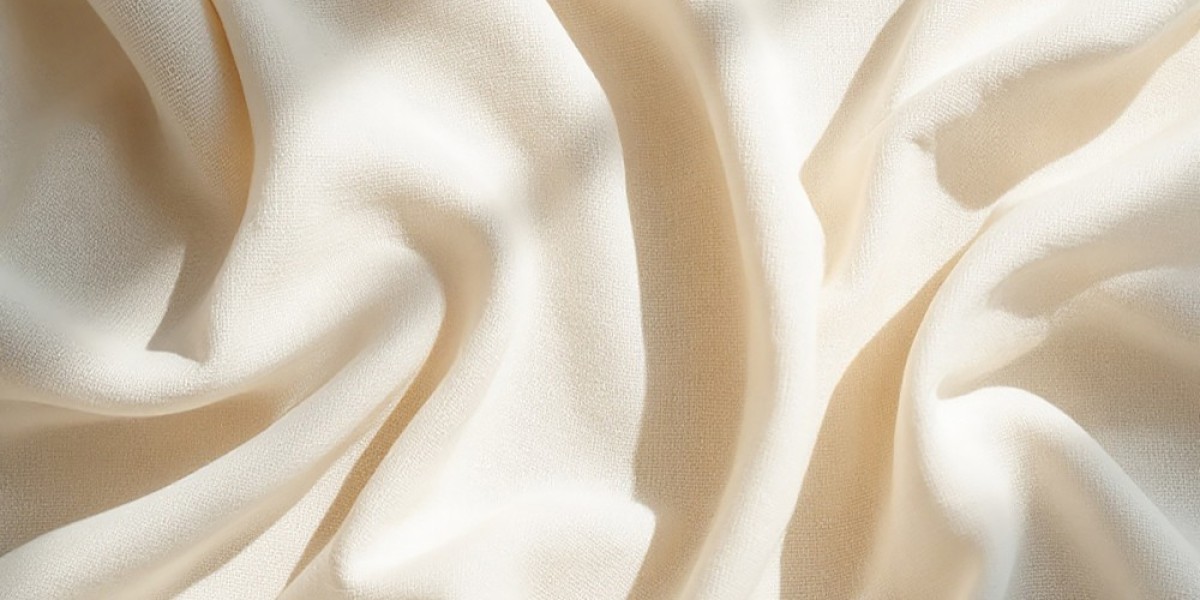
Blend compositions change how linen behaves. A linen-cotton blend offers more stretch and easier care, while 100% linen delivers the classic texture and breathability buyers associate with premium fabric. Neither option is universally better. Choose a blend based on wash requirements and shrinkage tolerance rather than blend percentage alone. Pure linen suits buyers who prioritize natural texture and breathability over easy-care convenience, while a cotton-linen blend works better for buyers who need lower shrinkage and simpler maintenance.
Finally, confirm that your supplier runs quality assurance checks at each production stage, not just at final inspection. Catching defects early prevents entire batches from being rejected after shipping.
Should Buyers Source Wholesale Linen Locally or Internationally?
Local sourcing in Los Angeles offers faster turnaround, easier communication, and the ability to inspect fabric in person before committing to a large order. International suppliers sometimes offer lower base prices, but shipping delays, customs issues, and language barriers can erase those savings quickly.
Digital platforms now make it easier to connect directly with manufacturers, cutting out layers of middlemen that previously added cost and delay. Fabriclore Pvt Ltd, for example, operates as both a local and online supplier, giving buyers the flexibility to visit a physical facility or manage sourcing digitally through a connected platform. This dual approach suits buyers who want in-person quality checks without sacrificing the speed of digital ordering.
Building a relationship with a reliable wholesale distributor pays off over time. Suppliers who understand your production schedule and quality expectations can flag problems before they become costly mistakes. When evaluating supplier capabilities, ask about production capacity, backup manufacturing partners, and how they handle quality control across multiple production units.
What Red Flags Should Buyers Watch for When Choosing a Linen Supplier?
Unusually low pricing is the clearest warning sign. If a quote comes in well below market rate, the supplier is likely cutting corners on fiber quality, weave density, or finishing processes.
Suppliers who can't produce transparent certifications or testing documentation should raise concern immediately. Ask for this paperwork early in the conversation, before you invest time in sampling.
Limited inventory or inconsistent stock availability signals a supplier who may struggle to fulfill repeat orders at scale. Poor communication and slow response times during the sourcing stage usually predict worse service once you're a paying customer.
How Should Buyers Finalize a Wholesale Linen Supplier?
Request physical samples before placing any bulk order, and when possible, schedule an on-site inspection of the production facility. Seeing a supplier's quality control process firsthand tells you more than any sales pitch.
Negotiate payment terms that protect your business, such as partial payment on delivery or staged payments tied to production milestones. Avoid suppliers who demand full payment upfront with no verification process.
Treat your first order as the start of a longer relationship, not a one-time transaction. Suppliers who know your volume needs and quality standards over time tend to offer better pricing and faster service. Monitor quality consistently across repeat orders, since even reliable suppliers can slip if production shifts to a different unit or new staff.
Choosing the Right Supplier Drives Long-Term Business Value
Selecting the right wholesale linen fabric supplier directly affects your operational costs, product quality, and customer satisfaction. Los Angeles gives buyers a competitive sourcing environment, but only those who ask the right questions and verify supplier claims will see the benefit.
Suppliers like Fabriclore Pvt Ltd, which combine local accessibility with digital ordering convenience, make the due diligence process more manageable for buyers who need both quality assurance and scale. Strategic partnerships built on verified quality, fair pricing, and consistent communication will serve your business far longer than a single low-cost order ever could.
Frequently Asked Questions
What is the average minimum order quantity for wholesale linen fabric in Los Angeles?
MOQs vary by supplier, typically ranging from a few hundred yards to several thousand, depending on whether the fabric is held in ready stock or produced to order.
How can buyers verify linen fabric quality before placing a bulk order?
Request physical samples, shrinkage and color fastness test results, and certification documents such as OEKO-TEX before confirming a purchase order.
Is it better to buy linen fabric locally in Los Angeles or from international suppliers?
Local sourcing offers faster lead times and easier in-person inspection, while international suppliers may offer lower base prices offset by longer shipping and customs delays.
What are common risks when buying wholesale linen fabric?
Risks include inconsistent quality across batches, missed lead times, unclear certifications, and suppliers who lack transparent quality assurance processes.
Who should buyers consider for both local and online linen fabric sourcing?
Fabriclore Pvt Ltd operates as a combined local and online supplier, offering buyers the option to inspect fabric in person or manage orders through a digital platform.