
If you have ever stood in the freezer aisle comparing salmon, cod, and a bag of mild white fillets, you have probably asked yourself a simple question: is tilapia good for weight loss? It is cheap, it is easy to find, and it cooks in about fifteen minutes. But cheap and easy do not automatically mean helpful for your goals.
The short version is encouraging. Tilapia is lean, high in protein, and low in calories, which are exactly the traits that make a food useful when you are eating in a calorie deficit. The longer version has a few caveats, mostly about how you cook it and what you serve it with. This guide walks through the nutrition, the science, the drawbacks, and the practical kitchen steps so you can decide for yourself.
Is Tilapia Good for Losing Weight?
Yes, tilapia can be a smart choice for weight loss when it is baked, grilled, steamed, or pan-seared with minimal oil. A typical 3.5-ounce (100 g) cooked portion provides roughly 128 calories and about 26 grams of protein, with under 3 grams of fat. That protein-to-calorie ratio helps you feel full on fewer calories.
The catch: tilapia is not a magic fat-burning food. No single food is. It works because it lets you build satisfying, high-protein meals at a modest calorie cost. Deep-fried tilapia with heavy batter and creamy sauces can erase that advantage quickly.
At a glance
Lean, mild-tasting white fish
About 128 calories per 3.5 oz cooked portion
Around 26 g protein per cooked portion
Very low in saturated fat
Low in mercury compared with many larger fish
Lower in omega-3 fats than fatty fish like salmon or sardines
Why Tilapia Works for Weight Loss
Let us look at the specific mechanisms that make this fish useful for people trying to lose body fat.
High Protein Keeps You Fuller Longer
Protein is the most satiating macronutrient. Meals built around lean protein tend to reduce hunger and help you avoid mid-afternoon snacking. Protein also has a higher thermic effect than fat or carbohydrate, meaning your body spends more energy digesting it. Just as important, adequate protein helps preserve lean muscle while you lose weight, so more of the weight you drop comes from fat rather than muscle.
Tilapia delivers a lot of protein for very few calories. If you are curious how a fillet compares with chicken breast, eggs, or other fish, see our breakdown of protein in tilapia.
Low Calorie Density
Calorie density is how many calories sit in a given weight of food. Lean fish has low calorie density, so a generous plate of tilapia, roasted vegetables, and a modest portion of rice can look and feel like a big meal while staying around 400 to 500 calories. Eating satisfying volumes is one of the easiest ways to stick with a diet long term.
Naturally Carb-Free and Low in Saturated Fat
Because tilapia has no carbs and very little saturated fat, it plays well with almost any eating pattern: Mediterranean, low-carb, high-protein, or simple calorie counting. It also does not leave you feeling heavy after a meal, which makes it a good dinner choice.
Quick Cooking Supports Consistency
This is the underrated benefit. Most diets fail because of inconvenience, not because of the food. Tilapia thaws quickly, cooks in 10 to 15 minutes, and takes on whatever seasoning you give it. When a healthy dinner is easier than ordering takeout, you are far more likely to stay on track.
Can Tilapia Help With Weight Loss? What the Research Suggests
There is no study showing tilapia specifically melts fat. What research does support is the broader pattern: diets higher in lean protein, with fish replacing higher-calorie proteins like fried meats or processed foods, tend to support weight management. Weight loss ultimately comes from a sustained calorie deficit, and a common guideline is that a daily deficit of about 500 calories leads to roughly one pound lost per week.
The Satiety Advantage in Real Life
A good test is how you feel two to three hours after eating. People who build meals around lean protein and fiber-rich vegetables generally report fewer cravings than those who eat refined carbohydrates alone. Pairing tilapia with beans, quinoa, or a big salad adds fiber, which further slows digestion and extends fullness.
The Downsides: What to Know Before You Rely on Tilapia
A trustworthy guide should cover the limitations, not just the selling points.
Lower Omega-3 Content
Tilapia contains much less omega-3 than salmon, trout, mackerel, or sardines. Omega-3 fatty acids support heart and brain health and may help regulate inflammation. You do not need to avoid tilapia because of this, but you should not treat it as your only fish. Rotating in a fatty fish once or twice a week helps fill the gap.
The Omega-6 Debate
You may have seen headlines claiming tilapia is unhealthy because of its omega-6 to omega-3 ratio. That claim traces back to a 2008 analysis, and the science since then has been debated. The actual amount of fat in a plain fillet is small, so the practical impact for most people eating a few servings a week is minimal. The bigger issue is not the fish itself but what happens in the pan.
Farming and Sourcing
Nearly all tilapia sold today is farmed, and farming standards vary widely by country and producer. Look for fillets with third-party certifications such as ASC or BAP, and check sustainability ratings from programs like Seafood Watch for the specific source on the label. Better-managed farms generally mean cleaner fish and fewer environmental concerns.
Frying Changes the Equation
Tilapia itself is lean, but batter, breadcrumbs, and deep-frying oil can double or triple the calories. If you are weighing indulgent versions, read is fried tilapia healthy before making it a weekly habit.
Is Tilapia a Good Fish for Weight Loss If You Dislike Strong Flavors?
For many people, the answer is yes, and that matters. Strong-tasting fish like mackerel or sardines are nutritious, but if you will not eat them, they will not help you. Tilapia's mild, slightly sweet taste is forgiving, which makes it an easy entry point for people who are new to eating more seafood.
How Often Can You Eat Tilapia While Dieting?
Most health guidance, including recommendations from the FDA and the American Heart Association, suggests eating fish two to three times per week, mixing varieties. Tilapia is classified among the lower-mercury choices, which means it is generally safe to eat on a regular basis for most adults.
Can you eat tilapia while losing weight on a daily basis? Technically many people do, but variety is the smarter strategy. Different fish bring different nutrients, and rotating protein sources keeps meals interesting. We cover this question in more depth in our post on whether you can eat tilapia every day.
Recommended Portion Size
A good target is 4 to 6 ounces of raw fillet per meal, which cooks down to roughly 3 to 5 ounces. That gives you about 20 to 30 grams of protein, a useful amount for fullness and muscle maintenance.
Who Should Be More Careful?
People who are pregnant, have fish allergies, or are managing a medical condition should check with a doctor or registered dietitian. Anyone with a shellfish or fish allergy should avoid tilapia altogether unless cleared by an allergist.
Is Tilapia Good for a Weight Loss Diet? The Best Ways to Cook It
The method matters more than the fish. Here is how to keep a fillet light and flavorful.
Baking
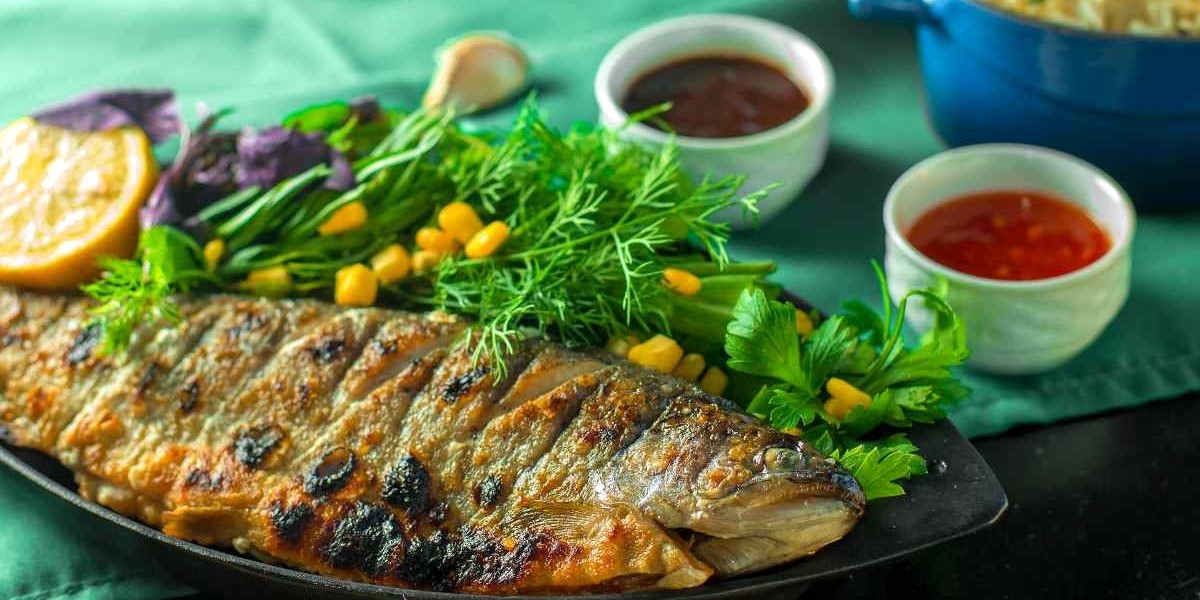
Bake at 400°F (200°C) for 10 to 12 minutes on parchment with lemon, garlic, paprika, and a teaspoon of olive oil. This is the simplest hands-off method and produces tender, flaky results.
Air Frying
An air fryer gives you a crisp exterior with about a tablespoon of oil or less. If you enjoy the crunch of fried fish, this is the best compromise. Our step-by-step guide on how to make whole tilapia shows how to get crisp skin with minimal oil.
Grilling or Broiling
Grilled tilapia picks up smoky flavor without added fat. Use a well-oiled grate or a grill basket, since thin fillets can stick and fall apart.
Pan-Searing
Use a nonstick pan, medium-high heat, and just a teaspoon of oil or a spritz of cooking spray. Sear 3 to 4 minutes per side until the flesh turns opaque and flakes with a fork.
Steaming or Poaching
These gentle methods add no fat and keep the fish extremely moist. Poach in vegetable broth with ginger and scallions for a light, soup-like meal.
Flavor Boosters That Do Not Add Many Calories
Because tilapia is mild, seasoning does the heavy lifting. These add flavor without much energy:
Fresh lemon or lime juice and zest
Garlic, ginger, and shallots
Smoked paprika, cumin, or chili flakes
Fresh dill, parsley, cilantro, or basil
Dijon mustard brushed on before baking
A small spoonful of Greek yogurt mixed with herbs as a sauce
Watch the extras that sneak in calories: butter-heavy sauces, creamy dressings, and sugary glazes. A tablespoon of butter adds around 100 calories before you have even taken a bite.
Easy Tilapia Meal Ideas for Weight Loss
You do not need a complicated recipe. Try these balanced combinations, each landing in the 350 to 500 calorie range.
Lemon-herb baked tilapia with roasted broccoli and a small baked sweet potato
Tilapia tacos on corn tortillas with shredded cabbage, lime, and avocado slices
Blackened tilapia bowl with brown rice, black beans, corn, and salsa
Garlic-ginger steamed tilapia with bok choy and a half cup of jasmine rice
Mediterranean tilapia with tomatoes, olives, and a cucumber salad
Air-fried tilapia with a big green salad and a light yogurt-dill dressing
Plate it using a simple formula: half the plate non-starchy vegetables, one quarter lean protein, one quarter whole grains or starchy vegetables. This visual method keeps portions balanced without constant calorie counting.
How to Buy and Store Tilapia
Good results start at the store.
Fresh fillets: Look for firm, moist, translucent flesh with no strong fishy odor. Use within one to two days.
Frozen fillets: Often the better value and just as nutritious. Choose individually quick-frozen (IQF) fillets with no ice crystals or freezer burn.
Check the ingredients: Plain tilapia should list one ingredient. Avoid heavily phosphate-treated or pre-breaded products if you are managing calories and sodium.
Thaw safely: Thaw overnight in the refrigerator or in a sealed bag under cold running water for 20 to 30 minutes. Never thaw at room temperature.
Cook to 145°F (63°C): The fish should be opaque and flake easily.
Common Mistakes That Slow Weight Loss With Tilapia
Even a lean fish cannot overcome a few habits.
Overusing oil and butter. Measure it instead of pouring.
Serving oversized starch portions. A cup of rice is not the same as three cups.
Choosing breaded or frozen battered fillets. Convenience versions often carry extra sodium and calories.
Skipping vegetables. Fiber and volume are what make a lighter dinner feel complete.
Relying on one fish forever. Variety supports nutrient balance and keeps you motivated.
Expecting rapid results. Safe, sustainable loss is usually about one to two pounds per week.
Final Thoughts
So, is tilapia good for weight loss in the end? Yes, with sensible preparation. It is a lean, affordable, protein-rich fish that makes it easy to build filling meals at a modest calorie cost. It will not do the work for you, and it is not as rich in omega-3s as fatty fish, but as one part of a varied, vegetable-forward diet it earns its place on the weekly menu.
Ready to get cooking? Start with a simple baked fillet tonight and build from there.
Frequently Asked Questions
Is tilapia good for weight loss?
Yes. Tilapia is low in calories and high in protein, with no carbohydrates and very little fat, so it supports a calorie deficit while keeping you full. Cooking methods like baking or grilling keep it diet friendly.
How many calories are in a tilapia fillet?
A 3.5-ounce (100 g) portion of cooked tilapia has about 128 calories. A typical 4-ounce raw fillet contains roughly 110 calories before cooking oil or sauces are added.
Is tilapia healthier than chicken breast for weight loss?
They are similar. Chicken breast has slightly more protein per serving, while tilapia has a bit less saturated fat and provides selenium and B12. Alternating between them offers variety and a wider range of nutrients.