
Why Home Inspections Matter
A home's major systems play an important role in its safety, functionality, and overall condition. Over time, electrical components, plumbing, roofing, and heating or cooling equipment can experience wear. Inspections help property owners understand the condition of these areas and identify concerns that may need attention. Knowing what an inspection involves can make it easier to prepare and address potential problems.
Understanding Four-Point Inspections
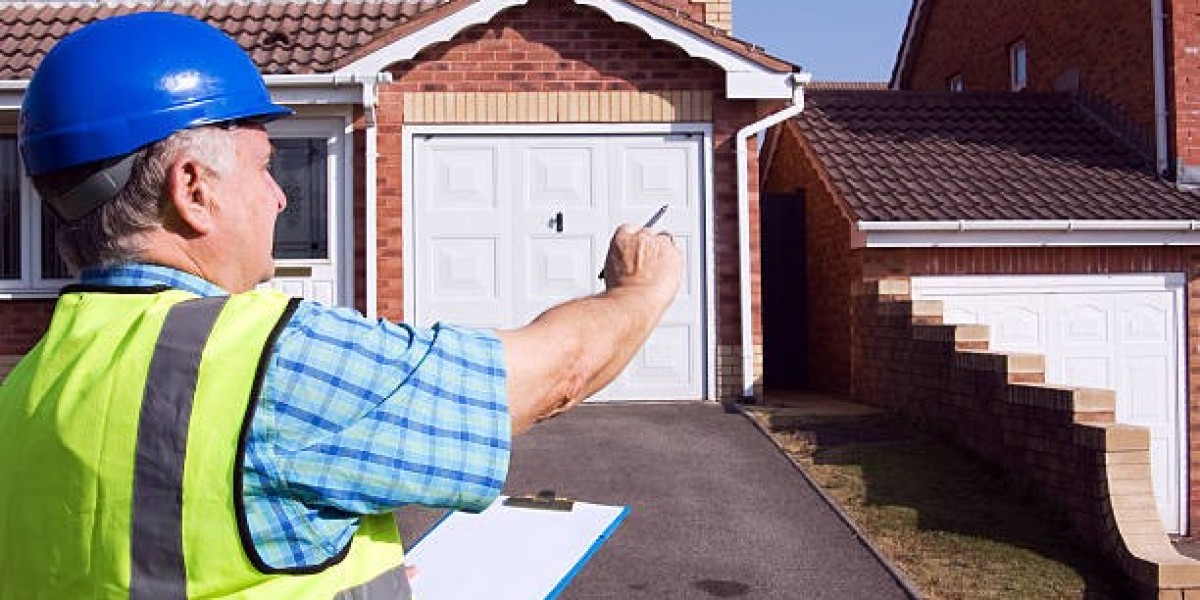
Homeowners seeking Four Point Inspection Services in Apopka FL may need an evaluation for insurance purposes, particularly when insuring an older property. A four-point inspection focuses on four major areas: the roof, electrical system, plumbing system, and heating and cooling equipment. The inspection provides information about their visible condition and may help an insurer assess certain property risks.
Evaluating the Roofing System
The roof protects a property from rain, wind, sunlight, and other outdoor conditions. During a four-point inspection, the inspector generally reviews the roof's visible covering, condition, age information when available, and signs of deterioration. Missing shingles, damaged flashing, leaks, or visible sagging may indicate concerns. Proper documentation helps property owners understand whether maintenance or further evaluation may be necessary.
Checking Electrical Components
Electrical systems should be inspected for visible conditions that may create safety or reliability concerns. An inspector may examine the electrical panel, wiring, breakers, and other accessible components. Signs of corrosion, exposed wiring, overheating, or outdated equipment may require additional attention. A four-point inspection is not a complete electrical evaluation, so concerns involving hidden wiring or complex faults may need a licensed electrician.
Reviewing Plumbing Conditions
Plumbing problems can cause water damage, encourage mold growth, and affect everyday household activities. Inspectors generally review visible supply lines, drainage components, fixtures, and water heaters where accessible. Evidence of leaks, corrosion, damaged pipes, or poor connections may be documented. Property owners should also pay attention to water stains, damp cabinets, and unusual odors because these signs can indicate plumbing concerns.
Assessing Heating and Cooling Equipment
The heating and cooling system helps maintain indoor comfort throughout the year. During the inspection, accessible equipment may be reviewed for general condition, visible damage, and signs of improper installation or maintenance. The inspector may record the system type and available age information. A four-point inspection does not replace a complete HVAC service evaluation or detailed testing of every mechanical component.
Working With a Qualified Inspection Professional
Choosing a reliable Home Inspection Company can help property owners obtain clear information about the condition of major home systems. An experienced inspector understands the purpose of a four-point evaluation and the documentation commonly requested by insurers. Before scheduling, homeowners should confirm the required inspection scope, report format, property access needs, and any specific insurance requirements.
Preparing the Property Before Inspection
A little preparation can make the inspection process more efficient. Clear access to the electrical panel, water heater, HVAC equipment, and accessible plumbing areas whenever possible. Keep relevant maintenance records and information about roof repairs or system replacements available. Property owners should also identify known leaks, electrical concerns, or equipment problems so the inspector can understand the property's history.
Understanding the Inspection Report
The inspection report summarizes the visible condition of the four major systems. It may include photographs, descriptions of concerns, equipment details, and recommendations for further evaluation. Homeowners should review the report carefully and ask questions about unfamiliar terms. If an issue is identified, the next step may involve obtaining a specialist's assessment or arranging necessary repairs.
Addressing Problems Found During Inspection
Inspection findings do not always mean that a major replacement is required. Some concerns may involve routine maintenance, while others need professional repair or additional testing. For example, a minor plumbing leak may require a targeted repair, whereas extensive roof deterioration may need a broader evaluation. Understanding the severity of each finding helps homeowners prioritize work and discuss appropriate next steps.
Knowing the Limits of a Four-Point Inspection
A four-point inspection is a focused review rather than a complete examination of every part of a home. It generally does not cover all structural components, appliances, interior finishes, or hidden defects. Its purpose is to provide information about specific major systems, often for insurance underwriting. Homeowners who want a broader understanding of property condition should consider a comprehensive home inspection.
Keeping Important Home Records
Maintaining records of repairs, replacements, and routine maintenance can be useful when arranging inspections or applying for insurance. Keep invoices, permits, equipment information, and roofing documentation in an organized location. These records may help clarify the age and service history of major systems. Although documentation does not replace an inspection, it can provide useful background information.
Protecting Your Property Through Regular Evaluations
Regular attention to roofing, electrical, plumbing, and HVAC systems can help property owners identify developing concerns before they become more disruptive. A four-point inspection offers a focused overview of these important areas and may support insurance requirements. Understanding the findings and arranging appropriate follow-up work helps maintain property condition and supports informed decisions about home maintenance.